Ever wondered how protecting old buildings could actually help your local economy? Historic preservation is more than just saving the past. For small towns, it can be a practical economic development strategy. In this post, you’ll learn how to approach preservation thoughtfully, balancing heritage, business needs, and financial realities. We’ll walk through the steps to identify what’s worth preserving, how to plan, what it might cost, and where to find funding. You’ll also see how preservation fits with broader community goals and local decision-making, plus get real-world examples of what works (and what doesn’t).
Understanding Historic Preservation’s Role in Economic Development
Historic preservation means protecting and maintaining buildings or places that have cultural or historical significance. These places are often more than just bricks and mortar, they’re reminders of shared stories, local identity, and community pride. But what does that have to do with economic development?
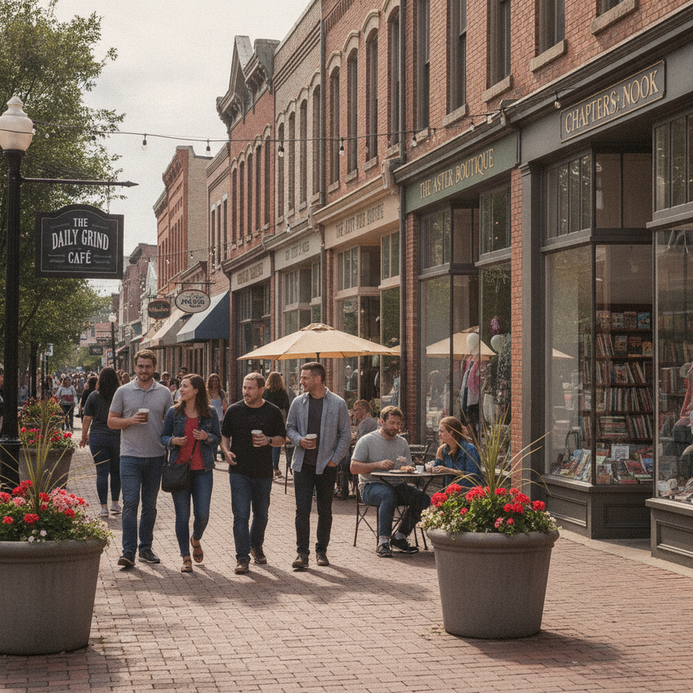
When a town preserves meaningful buildings or districts, it can attract visitors, support downtown businesses, and help spark new investment. Tourists are often drawn to towns with character and stories to tell, think of the difference between a generic strip mall and a lively main street with original architecture. Historic districts also tend to keep money circulating locally, since small businesses often fill preserved storefronts. Sometimes, preservation efforts lead to creative new uses for old spaces, like turning an old school into apartments or a former train depot into a café. These projects can bring in new residents or customers, add jobs, and revitalize underused parts of town.
On the flip side, historic preservation isn’t right for every property. Costs can be higher than new construction, and not every old building is worth saving. Towns need to weigh the benefits and risks before investing public resources.
Example: Main Street Revivals
Consider the many small towns across the country that have revitalized their main streets by preserving historic buildings. For instance, in Franklin, Tennessee, the restored downtown district draws thousands of visitors each year, supporting dozens of local businesses and creating a vibrant, walkable center. The sense of authenticity can’t be replicated with new construction alone.
Identifying and Evaluating Significant Properties
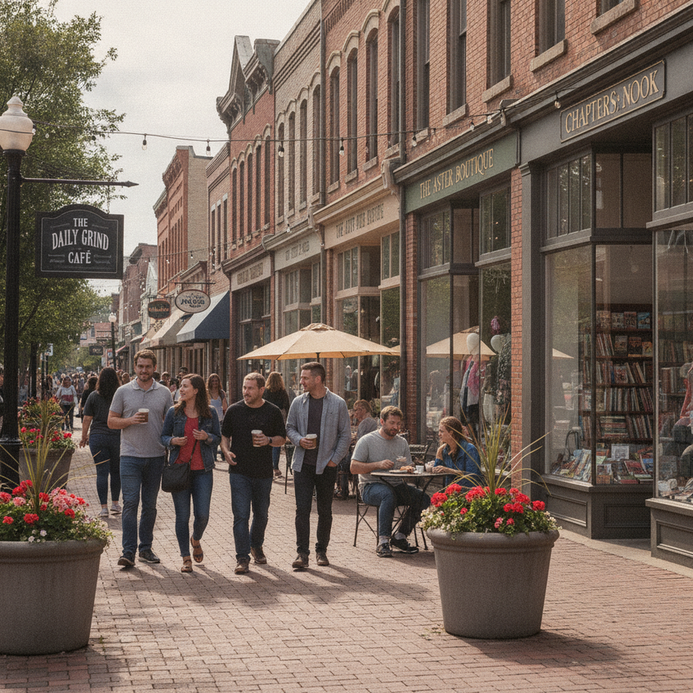
The first step in any preservation effort is figuring out what’s worth saving. Not every old building is historically significant or suitable for preservation. Municipalities can start by surveying local buildings and sites to spot those with historic, architectural, or cultural value. This might involve walking tours, research, and even public nominations.
It helps to consult local historians, longtime residents, or historical societies for background stories and context. Sometimes, the stories attached to a building, like being the site of the first town meeting or a famous local business, add to its value. Reviewing any existing historic registers or inventories can also provide a starting point.
Once you have a list, assess the current condition of each property. Are the buildings structurally sound? Are there obvious safety hazards? What repairs would be needed to make them usable or safe? It’s also smart to think about potential new uses, could an empty warehouse become a community center or local market? Considering these questions early helps avoid surprises down the road.
Practical Tip: Prioritizing Properties
Many towns use a scoring or ranking system to prioritize properties for preservation. Factors might include architectural uniqueness, historic events, current condition, public interest, and potential for reuse. This helps focus limited resources on the most impactful sites.
Balancing Heritage with Local Business and Community Needs
Historic preservation works best when it fits with what your community wants and needs. Some residents may see heritage protection as a way to maintain town character or boost tourism. Others may worry about costs, business restrictions, or being “locked in” to old designs.
To find the right balance, open communication is key. Municipal leaders can host community meetings to gather input on preservation priorities, work with property owners and local business groups to understand concerns about regulations or parking, and consider how preservation might support, or limit, downtown businesses and events.
For example, keeping historic facades may attract more foot traffic, while too many restrictions could discourage new businesses from opening. The goal is to find preservation approaches that encourage economic activity without making it too hard for local entrepreneurs to succeed.
Example: Community Buy-In
In some towns, resistance to preservation fades when residents see real benefits, like new restaurants or markets in renovated spaces, or increased property values in revitalized neighborhoods. Hosting open houses in preserved buildings or sharing before-and-after stories can help build support.
Assessing Costs and Funding Options for Preservation
Preserving historic buildings often costs more than standard repairs or new construction. There can be hidden expenses, like fixing old roofs, updating utilities, or meeting accessibility requirements. Before committing public funds, it’s important to estimate:
- The cost of repairs and rehabilitation
- Ongoing maintenance needs
- Potential revenue, savings, or community benefits from reuse
A key part of the process is developing a realistic budget. This should include not only the cost of making a building safe and attractive but also longer-term maintenance expenses. It’s easy to underestimate how much needs fixing, especially with older properties. Professional assessments, like architectural or engineering studies, can prevent costly surprises.
Funding Sources for Preservation
Some projects may qualify for outside funding. Here’s where to look:
- State and federal grants for historic rehabilitation, these are often available if the property is officially recognized as historic. Programs like the National Park Service’s Historic Preservation Fund or state heritage grants can contribute significant dollars.
- Community development block grants, these can help cover costs if the project aligns with broader goals, such as housing, economic revitalization, or public spaces.
- Historic tax credits, both federal and some state governments offer tax incentives for rehabilitating historic properties, which can offset part of the total cost for private or nonprofit owners.
- Partnerships, local businesses, nonprofits, or foundations might share costs, offer sponsorships, or provide in-kind services. For example, a local contractor might donate labor in exchange for recognition.
- Crowdfunding and local fundraising, some communities have raised money directly from residents or alumni for high-profile projects, especially when the building has sentimental value.
It’s wise to compare the available funding to the total cost and expected benefits. Sometimes, the math works. Other times, the town may decide to focus on a smaller project or delay until more resources are available.
Example: Creative Financing
In Bisbee, Arizona, the city used a mix of grants, tax credits, and private investment to restore the historic Copper Queen Hotel. The project created new jobs, boosted tourism, and preserved an anchor of the downtown economy.
Adaptive Reuse and Compatible Business Activities
Adaptive reuse means giving an old building a new purpose that fits today’s needs. This approach can breathe new life into vacant properties without losing what makes them special. For example, a historic theater could become a performing arts space or event venue. A former factory might house local offices, studios, or even residential lofts.
When planning adaptive reuse, think about how new uses will affect neighboring properties or businesses, whether changes can respect the building’s historic features, and if zoning or land use rules need to be updated.
Sometimes, historic buildings can spur a “ripple effect”, one successful project attracts more investment nearby. For example, renovating an old mill into apartments might inspire new restaurants or shops to open within walking distance, boosting the entire district.
Supporting compatible downtown businesses and activities is also part of the strategy. New businesses that fit the character of the district, like cafes, bookstores, or boutiques, can help draw visitors and support long-term economic health. Events, markets, or tours can also add value if they work with the preserved spaces.
Example: From Firehouse to Brewery
In many towns, old firehouses or train stations have been transformed into popular breweries, restaurants, or community centers. These projects respect the building’s history but give it a new role in the local economy.
Navigating Preservation Rules and Incentives
Historic preservation is shaped by a mix of local, state, and federal rules. Some properties may be protected under local ordinances, while others are listed on state or national registers. Each comes with different requirements, and sometimes, different incentives.
Municipalities should review which rules apply to the properties under consideration, learn about available financial incentives (such as historic tax credits or technical assistance programs), and talk with property owners about what restrictions or benefits might come with official designation.
It’s also important to remember that rules and incentives can change over time and may not apply equally in every community or state. Checking with qualified experts or agencies can help avoid missteps.
Understanding the Regulatory Landscape
For example, local historic district rules might require certain materials or colors for exterior renovations. State or federal designation could make a property eligible for grants or tax credits, but also add steps to the approval process. Knowing these details up front helps prevent delays and frustration.
Weighing Benefits and Risks Before Investing Public Resources
No two preservation projects are exactly alike. Before spending public money, municipal leaders need to consider both the potential upsides and the risks.
Possible benefits include increased tourism, higher property values, and stronger community identity. But there are also risks, unexpected repair costs, ongoing maintenance, or limited demand for new uses. Preservation shouldn’t be assumed profitable or suitable for every property.
A thoughtful approach includes assessing property conditions, costs, and market demand; consulting with experts to evaluate feasibility; engaging residents and business owners for input; and considering alternative uses or partial preservation if full rehabilitation isn’t realistic.
Scenario: The Empty Schoolhouse
Imagine a small town with an empty historic school. The town could restore the building as a community center, but repairs are expensive. Leaders consult residents, get cost estimates, check for grants, and run the numbers. If funding falls short, the town might choose to preserve just the façade or explore private partnerships to share costs. This way, the decision fits both heritage goals and financial realities.
Common Pitfalls to Avoid
Some towns get caught up in the excitement of saving a landmark, only to discover later that ongoing maintenance is more than the budget allows, or that new uses don’t attract enough people to cover costs. Others face pushback from residents if preservation feels forced or out of step with current needs. Careful planning and open communication help avoid these problems.
Incorporating Historic Preservation into Economic Planning
For preservation to support economic development, it should be part of the bigger picture, not a last-minute add-on. Municipal leaders can:
- Set clear preservation priorities tied to community goals. For example, decide whether the focus is on downtown revitalization, tourism, housing, or public gathering spaces.
- Coordinate with local planning, zoning, and development efforts. Make sure preservation plans align with transportation, business development, and housing strategies.
- Build partnerships with property owners, business groups, and nonprofits. Collaboration spreads costs and expertise, and increases the odds of success.
- Budget responsibly for both upfront and long-term costs. Factor in not just renovation but also future care and operations.
- Keep the community engaged and informed throughout the process. Regular updates, public meetings, and visible progress can sustain interest and support.
When preservation is included in economic planning from the start, it’s easier to align investments with what the town truly values and can sustain. This approach also helps avoid conflicts between heritage protection and other community needs.
Example: Preservation in Comprehensive Plans
Some towns include historic preservation goals directly in their comprehensive or master plans. This ensures that preservation is considered alongside transportation, housing, and economic development, making it a regular part of local decision-making.
The Role of Partnerships and Regional Collaboration
Historic preservation projects often succeed when towns work together or partner with outside organizations. Regional tourism boards, heritage nonprofits, and state agencies can lend expertise, help secure funding, and promote preserved districts or buildings to a wider audience.
For example, a cluster of small towns along a historic railroad corridor might develop a shared marketing campaign to draw visitors interested in history, food, and local events. This not only boosts individual towns but builds a stronger regional identity.
Nonprofits like the National Trust for Historic Preservation or your state’s historic preservation office can also provide technical support, grant opportunities, and best-practice guidance. Engaging these partners early can help overcome common roadblocks and keep projects on track.
Building Lasting Value: Tourism, Education, and Community Pride
Beyond dollars and cents, historic preservation can add lasting value to a community. Restored buildings and districts make towns more attractive places to live and visit. School groups can use preserved sites for local history lessons, and annual festivals or tours can celebrate shared heritage.
Tourism is a clear benefit, heritage travelers tend to spend more and stay longer than average tourists. Even small-scale events, like farmers markets or art shows in historic settings, can bring people together and support local businesses. Over time, these efforts build community pride and a sense of place that new construction alone can’t provide.