Why Sustainability Strategies Matter for Small Municipalities
Small towns often carry a strong sense of place. You know your neighbors, value your green spaces, and want to keep your community healthy for generations. But protecting your environment can feel daunting, especially when budgets are tight and everyone wears multiple hats.
Environmental sustainability strategies aren’t just for big cities. In fact, small municipalities have unique opportunities to make progress, often in ways that are more visible and community-driven. With the right approach, you can build habits and systems that protect your local resources, save money, and make your town an even better place to live.
Setting Local Priorities: Every Town Is Different
No two small towns are exactly alike. That’s why your sustainability strategy should start with what makes your community unique. Maybe you have a lakeside park that draws visitors. Perhaps your challenge is managing stormwater after heavy rain, or keeping energy costs down at city hall.
How to Identify Your Town’s Priorities
Start with a basic assessment. Walk your main street and public buildings. Where are the biggest energy or water users? Which natural features, like rivers, woodlands, or open fields, do residents value most? Are there areas where litter or runoff is a problem?
Gather input from residents, staff, and local organizations. A town hall meeting or a simple online survey can reveal what people care about most. For example, a small town in Ohio learned that keeping the local creek clean was a top concern, while a rural community in the Southwest focused on drought-proofing its landscaping.
Use free tools from agencies like the U.S. Environmental Protection Agency or your state’s environmental department. These guides often include checklists and templates to help small towns get started without outside consultants.
Setting Clear, Achievable Goals
Once you know your priorities, set goals you can measure. Instead of vague aims like “go green,” try something specific: reduce energy use at city hall by 15% in two years, or plant 100 new trees in public areas. Make sure your goals fit your budget, staff time, and available resources.
If you’re not sure where to start, pick one or two focus areas. Maybe it’s improving recycling at town events or swapping out old lightbulbs in public buildings. Small successes build momentum for bigger projects down the road.
Boosting Energy Efficiency in Municipal Buildings and Infrastructure
Energy bills are a major expense for most small towns. But you don’t need a massive overhaul to make meaningful cuts. Start with the basics, then tackle bigger upgrades as resources allow.
Practical Steps for Energy Savings
First, find out where your energy goes. Ask your utility about a free or discounted energy audit. Many towns are surprised to learn how much energy streetlights or old heating systems use.
Here are some cost-effective ways small municipalities can save energy:
- Upgrade lighting in municipal buildings, parks, and streets to LED bulbs. LEDs use far less power and last much longer, saving money on both energy and replacement costs.
- Install programmable thermostats in offices, libraries, and community centers. Setting temperatures back at night or when buildings are empty can make a big difference.
- Seal windows and doors to prevent drafts. Weatherstripping and caulking are inexpensive fixes that pay off quickly.
- Use motion sensors or timers for lighting in bathrooms, storage rooms, and outside areas. Lights only need to be on when someone is there.
- Replace old appliances with ENERGY STAR certified models when it’s time for an upgrade. Even one energy-efficient refrigerator in a public building can cut costs over time.
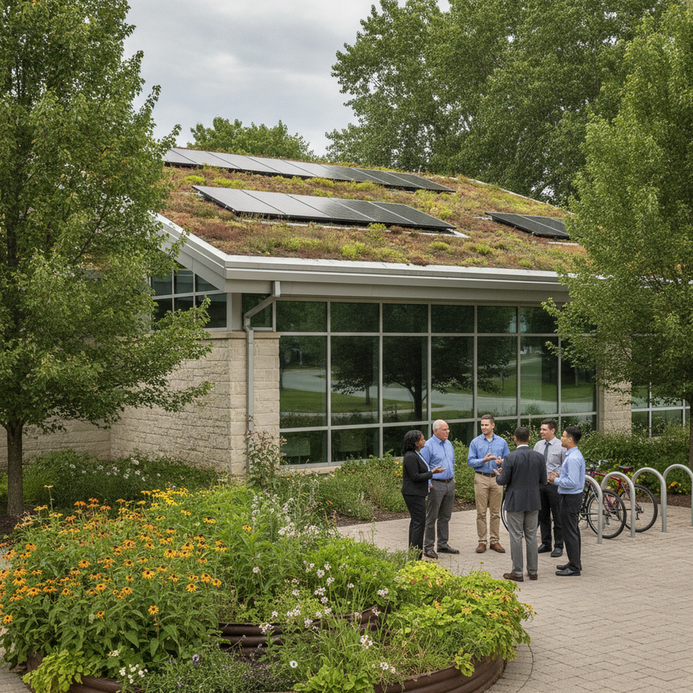
Some towns take bigger steps, like installing solar panels on the firehouse roof or joining a regional energy-buying group to purchase renewable energy. Even if your budget is small, you can often buy a small share of green power from your utility, sending a clear signal about your town’s priorities.
Maintaining Infrastructure for Long-Term Savings
Water and wastewater systems are often the biggest energy users in a small town. Regular maintenance can prevent costly leaks and breakdowns.
- Inspect water pumps and treatment systems for efficiency. Upgrading to variable speed pumps or adding smart meters can cut both water and energy waste.
- Fix leaks promptly. A dripping pipe can waste thousands of gallons (and dollars) before anyone notices.
- If your town owns its streetlights, consider a phased switch to high-efficiency LEDs. These can reduce energy use by 50% or more, with much less frequent bulb changes.
- Look into state or federal grants that support energy-saving upgrades, especially for water, wastewater, and public lighting systems.
Towns like Fairfield, Iowa, have used energy audits and phased upgrades to cut their municipal energy use by over 20%, all without major new construction. The key is steady progress and a willingness to start with what you have.
Reducing Waste and Encouraging Recycling
Waste management can feel overwhelming, especially for small towns with limited options. But even simple changes make a visible difference over time.
Starting Small with Waste Reduction
Begin by tracking what’s thrown away in municipal buildings, parks, and at community events. Are there lots of disposable cups at meetings? Is recycling available at the town playground, or just at city hall?
Here are some practical steps:
- Switch to reusable dishware and cutlery at staff meetings or public events.
- Place clearly labeled recycling bins in high-traffic locations, like town squares and sports fields.
- Review your town’s trash contract. Could you add curbside recycling or increase pickup frequency for recyclables?
Education is key. Share clear, practical information about what can and can’t be recycled. Use town newsletters, flyers at the post office, or social media to reach more people. Consider a “recycling challenge” month to get residents involved and track progress.
Some towns host electronics or hazardous waste collection events once or twice a year, giving people a way to dispose of old paint, batteries, or broken gadgets responsibly. These events can be run with neighboring towns to share costs and boost participation.
Community Partnerships for Bigger Impact
You don’t have to do it alone. Partner with local schools for recycling education, or work with a nearby town to set up a shared drop-off center. Local businesses may be willing to sponsor bins or collection days.
A great example comes from Maine, where a group of small towns pooled funds to start a regional composting program. Residents drop off food scraps at a central site, which are then turned into compost for local parks and gardens.
Look for grants or technical support from your state environmental agency, regional planning council, or even local businesses (like waste haulers) interested in supporting green projects.
Water Conservation: Protecting Your Town’s Most Vital Resource
Clean, reliable water is at the heart of every community. But water systems in small towns often face tough challenges: aging pipes, drought, or limited supply.
Steps for Municipal Water Conservation
Start with leak detection. Even small leaks, whether in a school bathroom or a buried water main, add up over time. Train staff to look for signs of leaks, and make reporting and fixing them a routine part of maintenance.
Install low-flow fixtures (like toilets, faucets, and showerheads) in all municipal buildings. These are inexpensive, easy to install, and can cut water use by 20% or more.
If your town manages public landscaping, shift to drought-tolerant native plants. Native plants need less water, fewer chemicals, and attract pollinators, making parks and roadways more beautiful and resilient.
Encourage residents to conserve water, too. Offer free water-saving kits (like faucet aerators), host workshops, or share tips in the local paper. Even simple reminders, like watering lawns early in the morning or using rain barrels, help everyone do their part.
Planning for the Long Term
Develop a simple water conservation plan. Lay out your goals, action steps, and how you’ll measure progress. For example, aim to reduce municipal water use by 10% in three years, or to cut water loss from leaks in half.
Make your plan public. Post updates in town meetings or on community boards. When people see progress, they’re more likely to support future investments, like replacing aging water mains or building new storage tanks.
A good water conservation plan also helps your town qualify for state and federal grants, since many funding programs look for clear, measurable goals.
Maintaining and Expanding Green Spaces
Parks, gardens, trails, and natural areas do more than make a town pretty. They improve health, support wildlife, and help manage stormwater, while giving residents a place to relax and connect.
Creative Approaches to Green Space
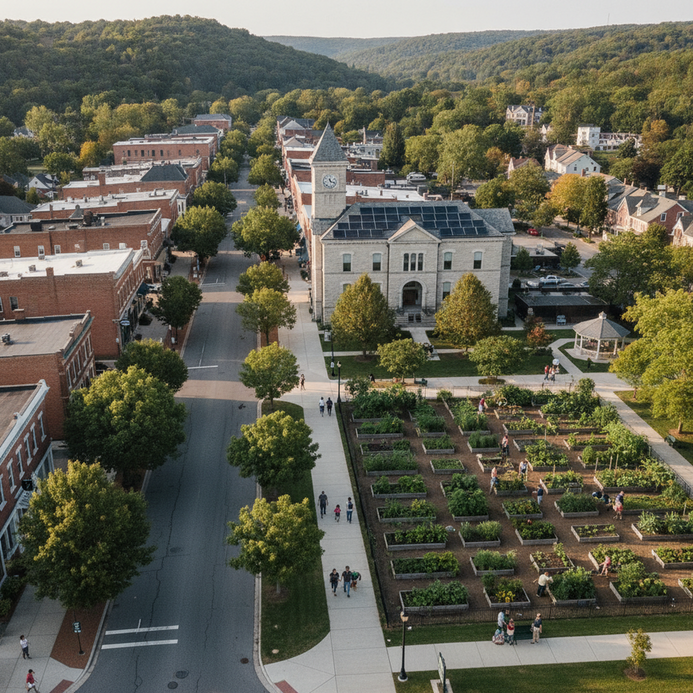
Even if land is limited, get creative. Transform vacant lots into pocket parks or wildflower meadows. Convert underused ball fields to community gardens or outdoor classrooms. Partner with local nonprofits, garden clubs, or schools to plant trees and maintain trails.
Some small towns, like Lanesboro, Minnesota, have revitalized their downtowns by linking parks with walking and biking trails. This attracts visitors, supports local businesses, and gives residents more ways to enjoy the outdoors.
Green spaces also help manage stormwater. Features like rain gardens, bioswales (shallow, planted ditches), and permeable sidewalks soak up rain and reduce flooding. If your town is repaving streets or sidewalks, ask your engineer or contractor about adding these features.
Supporting Community Growth and Green Space
Growth doesn’t have to mean less green. Include requirements for parks or trails in zoning codes, or offer incentives for developers to set aside land for public use.
Ask residents what kinds of outdoor spaces matter most, dog parks, playgrounds, quiet gardens. A quick survey or public meeting can help your town invest in the spaces people will actually use and care for.
If your town is near a river, lake, or forest, work with regional partners to protect these areas from overdevelopment or pollution. Even small investments in trails or signage can boost tourism and community pride.
Sustainable Infrastructure Planning for Small Towns
Every small municipality relies on infrastructure, roads, water lines, public buildings, that needs regular attention. By weaving sustainability into your planning, you can save money and future-proof your community.
Assessing Local Needs and Opportunities
When planning a new project or an upgrade, think about the long-term. For example, what’s the total cost to operate and maintain a new building or road, not just the upfront price?
Look for ways to use recycled or local materials in construction. Permeable pavement lets rain soak through, reducing flooding and road damage. Low-maintenance landscaping around public buildings saves water and labor.
Many states offer free planning tools and technical help for small towns. Regional planning councils or nonprofit groups can connect you with sample policies, case studies, or even experts willing to visit your town.
For instance, Municipal Expert Services connects local leaders with engineers and planners who understand rural realities. They can help you assess options, write grant applications, or design demonstration projects that show what’s possible.
Funding and Implementing Sustainable Projects
Money is always a concern. But many grants and low-interest loans exist specifically for small towns pursuing sustainability. USDA Rural Development, state clean water funds, and even local foundations may support projects like LED streetlight upgrades, water system repairs, or new parks.
Don’t overlook small pilot projects. Replacing a single block of sidewalk with permeable pavers or turning an empty lot into a rain garden can show residents what’s possible and build support for larger changes.
Keep records of your successes. Photos, data, and testimonials help when applying for future grants or explaining the value of sustainability to local officials and residents.
Engaging the Community and Building Partnerships
Sustainability is a team effort. The most successful towns find ways to get everyone involved, from schoolkids to business owners to retirees.
Ways to Involve Your Community
Start by making sustainability visible. Host a kickoff event for a new recycling program or tree-planting day in the park. Invite local media, share photos on social media, and thank volunteers publicly.
Hold regular public meetings or workshops where people can share ideas and concerns. Use plain language and focus on practical benefits: lower bills, cleaner water, safer parks.
Create opportunities for hands-on involvement. Volunteer days for park cleanups, trail maintenance, or garden planting build community pride and keep costs down. Partner with schools for student projects, like building birdhouses or monitoring local streams.
Work with local businesses, churches, and organizations. They might sponsor events, donate supplies, or offer meeting space. For example, a small town in Vermont partnered with a local hardware store to provide rain barrels at a discount, helping more residents collect and reuse rainwater.
Tracking Progress and Adjusting Plans
Measure success with simple, clear metrics. Track energy use at city hall, gallons of water saved, pounds of recycling collected, or number of trees planted.
Share updates in town meetings, newsletters, or on the town website. Celebrate the wins, and be honest about the setbacks. When you try something that doesn’t work, say what you learned and how you’ll adjust.
Regular tracking and transparency build trust. They also help your town qualify for grants or partnerships, since funders want to see progress and accountability.
Fostering a Culture of Sustainability
Beyond projects and policies, the most lasting change comes from building a culture where sustainability is just part of how your town does business.
Making Sustainability Second Nature
Encourage staff, officials, and residents to suggest new ideas. Maybe a maintenance worker notices a way to save water, or a community member proposes a new location for recycling bins. Create easy ways for people to share suggestions, an online form, a comment box at city hall, or regular brainstorming sessions.
Recognize and reward leadership. Thank volunteers publicly, profile sustainability champions in the local paper, or give small awards for creative ideas that save energy or reduce waste.
Include sustainability in your town’s regular decision-making. Add environmental goals to your comprehensive plan, or include sustainability as a topic in every council meeting. Over time, these small steps build habits that last, even as staff and officials change.
Overcoming Common Challenges in Small-Town Sustainability
No sustainability journey is without obstacles. Small municipalities, in particular, face some unique challenges, but these can be managed with creativity and persistence.
Limited Budgets and Funding
Money is tight. But many sustainability strategies pay for themselves over time. For example, LED lights and energy-efficient appliances quickly lower utility bills. Grant programs from state and federal sources can help cover upfront costs. Start with low-cost changes, and use savings to fund bigger projects later.
Staff Capacity and Expertise
Small towns often rely on a handful of staff who already have full plates. Look for outside partners, state agencies, regional councils, local colleges, or nonprofits, that offer technical help, free training, or planning templates. Consider forming a volunteer “green team” of residents to lead educational events or track progress.
Community Buy-In
Change can be hard, especially if residents worry about new costs or losing familiar ways of doing things. Focus on practical benefits, lower bills, cleaner parks, local jobs. Involve people early, listen to concerns, and highlight successful projects. Celebrate every win, no matter how small.
Conclusion
Sustainability isn’t a one-size-fits-all checklist. For small municipalities, it’s about practical steps that fit your budget, staff, and community spirit. By focusing on what matters locally, whether that’s energy efficiency, waste reduction, water conservation, or green spaces, you’ll build a healthier, more resilient town for everyone.
Ready to get started or want advice tailored to your unique needs? Reach out to our team for expert support in building a sustainability strategy that fits your small town. Let’s make lasting change together.