Why Community Trust Matters in Municipal Governance
When people trust their local government, everything just works better. Residents are more likely to show up at meetings, voice their opinions, and support important projects. For small towns especially, trust is the bedrock of strong relationships between leaders and the people they serve. Communities with high trust enjoy better communication, less conflict, and more successful public initiatives. This blog explores how open municipal governance, with transparent decisions and clear communication, helps build and maintain that trust. You’ll get practical steps, detailed examples, and real strategies you can use in your own community.
Clear Communication: The Foundation of Openness
You can’t build trust if people don’t know what’s going on. That’s why clear, consistent communication from municipal officials is essential. When updates about town projects, budgets, or policy changes are shared openly, residents feel included and respected.
Good communication in municipal governance isn’t just about sending out newsletters or posting on social media. It means making sure the information is easy to find and easy to understand. For example, if a town needs to replace a water main, a simple announcement isn’t enough. Residents want to know the reasons for the project, how long their street will be disrupted, and what the final benefits will be. Sharing this in plain language, both online and offline, helps everyone feel prepared and respected.
Some towns use flyers in community centers, while others rely on email lists, text alerts, or local radio. In one small Midwest town, the mayor started recording weekly video updates that are posted on the town website and played on a loop at the local library. Residents know exactly where to look for new information, and they can hear updates in the mayor’s own words.
Communication isn’t just about talking at people. It’s about listening, too. Setting up a dedicated email address for questions, inviting people to comment on social media, or hosting small group Q&A sessions shows that leaders are truly interested in what residents have to say. When feedback is acknowledged and questions are answered in a timely way, trust grows.

Making Public Information Accessible
Transparency means more than just sharing information, it means making sure it’s actually accessible. Residents shouldn’t have to jump through hoops to find out how decisions are made or where public money goes.
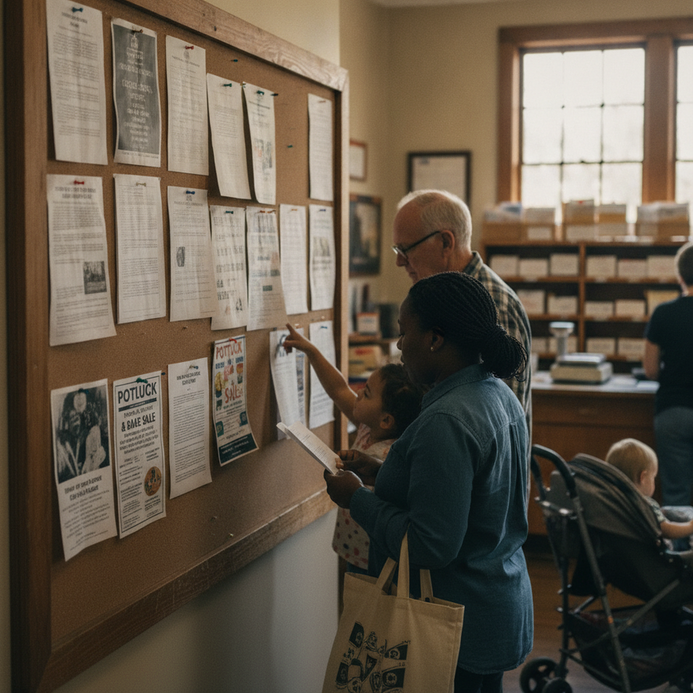
For small towns, this often begins with an easy-to-navigate website that posts budgets, meeting minutes, and contact information for officials. But digital access isn’t enough for everyone. Imagine a rural community where internet access is spotty. In those cases, consider using community bulletin boards, printed newsletters, or even partnerships with local businesses to share important documents. For instance, one town in the Northeast posts paper copies of council meeting minutes at the local grocery store, library, and post office, places where everyone eventually stops by.
Open governance also means making public records easy to request and understand. Some residents may not know they can ask for certain documents, or they might worry the process will be complicated. Clear signage at town hall, simple online forms, and friendly instructions in newsletters can help. Don’t assume everyone knows the rules, explain the basics, like what types of information are public and how long it usually takes to process a request.
The rules around transparency and public participation do vary by state and municipality, so it’s a good idea to review your local requirements and make sure you’re meeting or exceeding them. Some towns even hold annual workshops to teach residents about their rights to information and how to get involved.
Encouraging Meaningful Resident Participation
People want to know their voices matter. One of the best ways to build community trust is to create real opportunities for residents to participate in local government.
This goes beyond holding public meetings (though those are important). Consider inviting residents to serve on advisory boards, participate in surveys, or help with community projects. For example, a town in the South launched a “Community Clean-Up Day” that was organized entirely by a group of resident volunteers, working alongside town staff. This gave people a sense of ownership and pride in local improvements.
Some towns have found success with informal events. “Coffee with a Council Member” mornings, outdoor picnics, or open office hours at town hall make it easier for people to ask questions or share concerns in a relaxed, welcoming setting. In one California town, leaders set up pop-up booths at the farmers market to collect feedback about a proposed playground. They reached residents who might never attend a formal meeting, but who still care deeply about local decisions.
The key is to make participation easy and welcoming for everyone. Hold meetings at times when most people are available, provide childcare if possible, and make sure everyone gets a chance to speak. If you’re gathering input on a big decision, let people know how their feedback will actually be used. Share updates, explain which ideas were included or left out, and thank people for their time. That feedback loop, “we heard you, here’s what we did”, is crucial for building trust.
Transparent Decision-Making in Action
How decisions are made is just as important as what decisions are made. When people understand the process, they’re more likely to accept the results, even if they don’t agree with every outcome.
Effective municipal governance puts transparency at the center of decision-making. This means:
- Explaining major decisions in plain language, not confusing terms.
- Making meeting agendas and supporting materials available well before meetings happen.
- Keeping clear records of votes and discussions so residents can see how choices were made.
- Inviting public input early, not just after a plan is already final.
For example, if your town is considering a new park, don’t just announce the final location. Instead, share the criteria for choosing locations, estimated costs, and steps in the approval process. Offer maps, drawings, and simple breakdowns of funding sources. Let people know when and where they can voice their opinions, whether that’s at a council meeting, through an online survey, or at a drop-in event. After a decision is made, explain the reasons behind it and how community feedback was considered. Even if not every suggestion is used, showing the impact of resident voices helps maintain trust.
Transparent decision-making also applies during emergencies or unexpected events. Imagine a flash flood damages roads overnight. Residents want quick updates about repairs, but they also want to know how officials are prioritizing which roads to fix first. By sharing criteria, timelines, and budget impacts, leaders show they’re acting fairly and transparently, not just making decisions behind closed doors.
Open Public Meetings and Records
Public meetings are a cornerstone of open governance practices. They give residents a front-row seat to the issues affecting their community. Making meetings truly open means more than just letting people in the door.
Best practices include giving plenty of notice (not just the day before), sharing agendas and supporting materials in advance, and providing clear instructions for how residents can participate. Some towns livestream meetings on social media or local TV, then post recordings online or make them available at the library for those who can’t attend in person. This helps reach more people, including those with busy schedules, mobility challenges, or young families.
Making meetings accessible also means considering language and ability. Providing translation services or closed captions, offering printed materials in simple language, and ensuring buildings are wheelchair-accessible all show your commitment to inclusion.
Public records are just as important. Posting meeting minutes, financial reports, and policy documents in places where people already look, like the town website or community center, helps everyone stay informed. Some towns create simple visual summaries of budgets or projects, so residents can see at a glance how resources are being used. This level of openness shows that leaders have nothing to hide and are accountable for their actions.
Responding to Community Concerns and Following Through
Trust grows when people see their concerns are taken seriously. Responding to questions and complaints quickly and respectfully is a sign of a responsive municipal government.
It’s not just about solving every problem immediately, sometimes that’s not possible. But acknowledging concerns, sharing updates, and following through with promised actions go a long way. For example, if residents raise concerns about traffic safety, provide a timeline for reviewing the issue, communicate interim steps (like adding temporary signage), and keep the community updated as progress is made. Even if a solution takes longer than hoped, regular updates let people know the issue isn’t forgotten.
When leaders keep their word, or honestly explain why something can’t be done, it helps build credibility. Over time, this consistency turns into lasting trust. Successful towns often maintain a running “You Asked, We Answered” section in newsletters or on the website, so residents see how questions and complaints are handled.
Accountability and Responsible Use of Resources
Being open about how public funds are spent is a big part of accountability. Residents want to know their tax dollars are being used wisely and ethically. Small towns can build trust by sharing budgets in an easy-to-read format and explaining big-ticket items or unusual expenses.
Consider holding an annual “budget night” where officials walk through the numbers, explain priorities, and answer questions. Some towns use infographics or short videos to break down complex financial information for everyone. Even if only a few people show up or watch, the act of inviting scrutiny demonstrates transparency and builds confidence in municipal governance.