Communities everywhere are talking about housing growth. Maybe you’ve noticed new homes popping up nearby, or heard neighbors voice concerns about change. How can your town welcome new residents, meet housing needs, and still keep the character that makes it special? In this guide, you’ll learn practical ways to balance housing growth with community identity, all while planning for strong infrastructure and happy residents.
Understanding Local Housing Demand
You can’t plan for housing growth without knowing what your community really needs. Every town is unique. Some have a shortage of affordable homes, while others see young families leaving because there aren’t enough options. So, where do you start?
First, look at local data. Are more people moving in, or are long-time residents struggling to find homes that fit their budget or stage of life? Are older homes being renovated, or do you see empty lots waiting for new development? This kind of information helps decision makers understand the real demand. For example, a town might see a spike in rental prices, signaling a need for more affordable apartments. Or, the local school might have shrinking class sizes, suggesting families are moving away.
Talk with residents, too. Gather feedback through surveys, public meetings, or casual conversations at the coffee shop. People often have strong opinions about housing growth, so listening matters. Their input can reveal gaps that numbers alone won’t catch, like a need for senior-friendly units, more starter homes, or smaller homes for young adults who want to stay close to family. Sometimes residents mention issues that aren’t even on official surveys, such as parking shortages near apartments or the lack of accessible housing for people with disabilities.
Local employers can also be a helpful resource. Ask if they have trouble attracting workers due to high housing costs or limited housing options. Schools, hospitals, and other institutions may notice trends in student enrollment or staff turnover that relate to housing availability.
By starting with solid information and honest conversations, your town can set realistic goals for housing growth that reflect actual needs. It’s about building a foundation for smart decision-making, not just reacting to the loudest voices.
Evaluating Development Proposals and Infrastructure Capacity
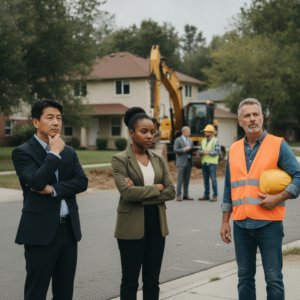
Once you know what’s needed, it’s time to look at how new housing fits with your existing infrastructure. Think about roads, water, sewer, schools, and emergency services. Can your community handle more reside
nts, or will you need upgrades?
Every development proposal should be weighed against these questions. For example, if a builder wants to add 30 new homes, does your water system have enough capacity? Will the extra traffic overwhelm local streets? And what about public safety, are there enough police and fire resources to cover more homes? If you’re not sure, ask your town engineer or public works department for input. Sometimes, small upgrades like adding a stop sign or increasing trash collection are all that’s needed. Other times, bigger investments like expanding a water treatment plant are necessary.
It’s also helpful to consider the cumulative impact of multiple projects. Maybe one development doesn’t seem like much, but a few in the same area could strain the existing infrastructure. Mapping out where new homes are proposed can help you spot patterns and plan better.
A real-world example: Imagine a town that approves several new subdivisions on the edge of its limits. The roads leading into town are only two lanes and already see heavy morning traffic. Without improvements, adding more homes could create bottlenecks, longer commutes, and frustration for everyone. By reviewing proposals with infrastructure in mind, you can avoid these kinds of headaches.
Coordinating housing plans with infrastructure planning isn’t just smart, it’s essential for sustainable housing development. When you know your limits, you can set fair expectations and keep your town running smoothly. This upfront work also helps you communicate clearly with developers about what improvements are needed and who will pay for them.

Building Scale, Neighborhood Design, and Community Character
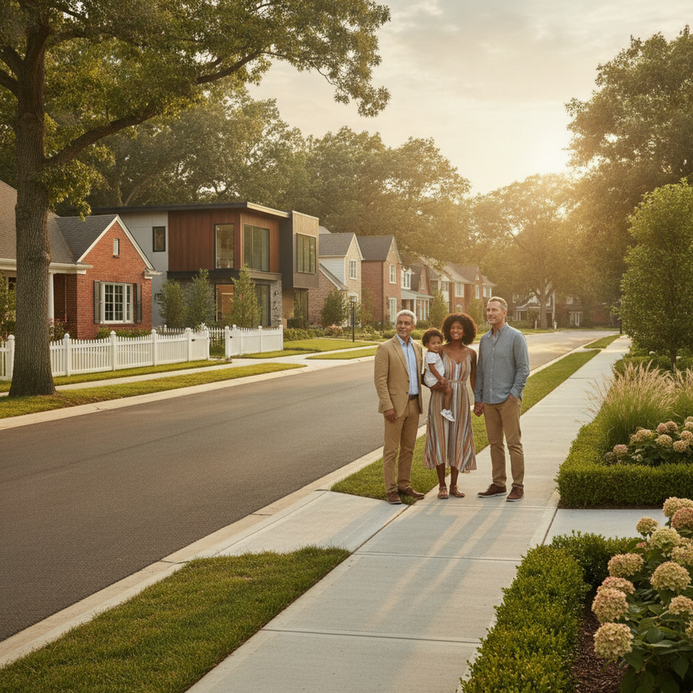
Not all new housing looks alike. The way homes are designed, their size, and how they fit within existing neighborhoods all matter for preserving community character. Ever noticed how a row of new houses can sometimes feel out of place? That usually comes down to scale and design.
Here’s where careful planning pays off. You can guide new development to match your town’s look and feel. Maybe that means favoring cottage-style homes, requiring front porches, or setting limits on building height. Neighborhood layouts also matter. Wide sidewalks, front-yard gardens, and shared green spaces can help new areas blend in. For instance, some towns have design guidelines that require new buildings to use similar rooflines or exterior materials as older homes nearby.
Examples help here. In one community, new homes were required to include pitched roofs and use natural wood siding to match historic houses. In another, townhouses were built around a central green, echoing the look of a village square. These choices make a big difference in how new neighborhoods feel, and how they’re accepted by longtime residents.
It’s about balance. While you want more housing, you don’t want to lose what makes your community unique. Involving local residents in discussions about design guidelines can help. When people see their values reflected in new neighborhoods, they’re more likely to support housing growth. This might mean holding design workshops or inviting residents to help draft new neighborhood standards.
It’s also a good idea to think about transitions. For example, placing smaller homes or duplexes between single-family neighborhoods and busier commercial streets can ease the visual jump from one area to another. This approach, sometimes called “gentle density,” adds housing while respecting the scale of existing homes.
Protecting Historic and Cultural Features
Many towns have buildings, landmarks, or gathering places that tell the story of the community. Housing growth shouldn’t erase that history. The challenge is to make room for new neighbors while honoring what’s already there.
Start by identifying which features matter most. Is it a historic church, an old schoolhouse, or a main street with character? Sometimes, it’s a public square where people gather for festivals or a beloved old tree. Once you know what’s important, you can create policies to protect those spaces, even as new housing is built nearby.
Some towns use local historic districts to preserve the look of older streets. Others keep a registry of important buildings and offer tax breaks or grants to help with upkeep. There are also creative ways to blend old and new. For example, a developer might restore a historic building and add new homes behind it, using similar materials or colors. Or, a public square could anchor a neighborhood, giving residents a place to gather and celebrate local traditions.
One practical example: In a small town with a historic downtown, new apartments were built above renovated ground-floor shops. This increased housing options while keeping the area’s charm. Another town required new development to leave space for a century-old oak tree, creating a pocket park that became a neighborhood gathering spot.
Preservation doesn’t have to mean freezing your town in time. It just means making thoughtful choices about what to keep and how to welcome change. By weaving together history and progress, your community can stay vibrant and connected to its roots.
Planning for Roads, Public Services, and Essential Infrastructure
Growth puts pressure on roads, utilities, schools, and emergency services. Even a few dozen new homes can make a big difference in a small town. So, how do you make sure your community can keep up?
Start by reviewing your infrastructure plans. Are roads in good shape? Do water and sewer systems have room for more connections? Are schools already crowded? These are the questions to ask as you consider new housing. If your fire department is made up of volunteers, will they need more equipment or training to serve a bigger area?
Sometimes, small upgrades can support new growth, like adding a turning lane, modernizing a water tower, or hiring another part-time firefighter. In other cases, towns might need outside help to fund bigger projects. Grants from state or federal agencies can play a role, especially for major expenses like school expansions or water system overhauls. Partnering with developers may also be an option. Some communities ask builders to contribute to infrastructure costs through impact fees or special agreements.
It helps to map out which parts of town are best prepared for growth. Maybe the north side has newer sewers and plenty of road capacity, while the south side would need more investment. Directing growth to areas with strong infrastructure can save money and avoid service gaps.
It’s also important to plan for the future. Technology changes, and so do community needs. For instance, adding high-speed internet infrastructure to new neighborhoods can make your town more attractive to remote workers and young families.
Coordinating housing growth with infrastructure investments means your community stays safe, comfortable, and ready for newcomers. It also builds trust, since residents can see that growth is being managed responsibly.
Balancing Housing Availability with Environmental and Land-Use Priorities
People need homes, but land is limited. Every new development uses space that might have been farmland, forest, or open fields. How do you decide what to protect and where to build?
First, set clear priorities. Maybe your town values clean water, healthy forests, or farmland for local food. Zoning and land-use plans can help direct housing growth to areas that make sense, like near existing neighborhoods or along main roads. This kind of planning helps keep important natural resources safe, while still making room for new homes.
Sometimes, it’s possible to cluster new homes together and leave more land open. This is called “conservation development.” For example, instead of building 20 homes on 20 acres, a developer might build the same number of homes on 10 acres and leave the other 10 as open space or parkland. This approach can protect wildlife habitats, reduce stormwater problems, and give residents more places to walk and play.
You can also encourage developers to include green spaces, trails, or tree buffers as part of their projects. For instance, a new neighborhood might have walking paths that connect to a local nature preserve or community garden. These steps help keep your community livable, even as it grows.
Balancing housing growth with environmental priorities takes ongoing attention. Regularly update your plans as needs change and new opportunities appear. Don’t be afraid to experiment with new ideas, such as green roofs or rain gardens, which help manage stormwater and add beauty.
Finally, remember that environmental priorities are about more than just protecting land. Clean air, safe drinking water, and access to nature all contribute to a high quality of life. By weaving these values into your housing plans, you create a healthier, more attractive town for everyone.
Transparent Planning Policies and Development Review
Rules around housing growth can feel confusing, especially since zoning laws and approval processes vary so much from place to place. But having clear, transparent policies helps everyone understand what’s allowed and why.
Make your planning process open to the public. Share draft policies, host Q&A sessions, and post updates online or at the town hall. When people know how decisions are made, trust grows. For example, some towns post a step-by-step guide to the approval process, showing what information is needed and when public input will be collected.
Development review should follow a consistent path. That means setting clear criteria for approval, using checklists, and making decisions in public meetings. It’s also important to explain how proposals are evaluated, whether it’s about infrastructure, design, or protecting certain features. Invite questions and be ready to explain why a project was approved or turned down.
Transparency has another benefit. It helps residents see that their concerns are taken seriously, not brushed aside. If people know they’ll have a chance to speak and that their feedback counts, they’re more likely to accept the outcome, even if it’s not what they hoped for.
Transparent policies help residents feel heard and respected, even if they don’t agree with every decision. They also make it easier for developers to understand expectations and avoid costly mistakes.
Meaningful Community Engagement
Ever felt like decisions were made without your input? That’s a common frustration. Real engagement means more than just posting notices or holding one meeting. It’s about making participation easy and showing that feedback matters.
Try offering different ways for people to get involved. Some might prefer online surveys, while others like in-person workshops. Translate materials when needed, and provide child care or transportation if you can. The goal is to reach as many voices as possible, not just the loudest ones. For example, holding meetings at different times of day can help reach both parents and retirees.
It’s also important to go where people already gather. Setting up a table at the local farmers’ market, library, or school event can bring in feedback from folks who might not attend a formal meeting. Using social media, local radio, or even flyers at the grocery store can help spread the word.