Why Aging Infrastructure Matters for Small Towns
Ever wondered why some roads seem to have potholes that never go away, or why water pipes keep springing leaks year after year? The answer often comes down to the impact of aging infrastructure and the cost of putting off needed maintenance. For small towns, these issues can hit especially hard. In this guide, you’ll learn how deferred maintenance affects municipal budgets, service reliability, and long-term sustainability. We’ll break down the basics, walk through practical ways to get a handle on your assets, and show you how smart planning can help keep your community running smoothly.
Aging infrastructure isn’t just a problem in big cities. In fact, small towns sometimes feel the effects more strongly because they have fewer resources to keep up with repairs. When a water main breaks in a big city, there’s often a whole team ready to fix it. In a small town, the same problem might take longer to address, causing bigger disruptions. The stakes are high: roads, bridges, water systems, and public buildings are the backbone of local life.
When they fail, everyone feels it, from the family driving to school, to the business owner relying on steady utilities. That’s why understanding the costs and risks is so important for community leaders and residents alike.
Spotting the Signs: Identifying Aging Infrastructure and Maintenance Backlogs
The first step in managing the impact of aging infrastructure is figuring out what you have, and what condition it’s in. Many small towns work with a patchwork of pipes, roads, buildings, and equipment installed decades ago. Over time, these assets wear down. Signs of aging might include frequent service interruptions, visible cracks, leaks or rust, faded paint, or equipment that’s well past its expected life.
Sometimes, warning signs pop up in less obvious ways. Maybe your town sees more boil-water advisories each year, or you notice more utility service calls for the same stretch of road. School or municipal building repairs get postponed again and again. All these are hints that infrastructure is overdue for attention.
A maintenance backlog happens when repairs and upkeep are delayed, often because of budget constraints or limited staff. It’s like putting off fixing a leaky roof, eventually, the small problem grows into a much bigger one. Over time, a backlog can quietly grow, making it tough to catch up. Tracking these backlogs helps you see which assets are most at risk and where resources are needed most. Some towns use simple spreadsheets while others adopt asset management software, but the goal is the same: know what needs fixing and when.
How to Assess Asset Condition and Service Importance
Once you know what you have, the next step is to assess its condition and how important it is for daily life. Not every pipe or road is equally critical. For example, the main water line serving a hospital or school is more vital than a little-used side street.
You can start by creating an asset inventory, a simple list of your infrastructure, when it was installed, what shape it’s in, and how often it gets used. It doesn’t need to be complicated. Even a notebook or spreadsheet can do the trick if that’s what you have. Regular inspections help keep this information up to date.
Ask basic questions: Is the asset safe to use? Does it meet today’s standards? How likely is it to fail? If you’re not sure, bring in a professional for an assessment, especially for high-risk assets like bridges or water treatment plants. Many small towns partner with regional agencies or consultants to get this expertise.
Service criticality matters, too. It makes sense to focus limited funds on assets whose failure would disrupt essential services, like drinking water, waste removal, or emergency access. For example, a fire station’s generator is more critical than decorative street lighting. Categorizing assets this way helps you set priorities and make informed decisions. Some towns use a simple ranking system, high, medium, and low criticality, to guide where to spend money first.
Maintenance, Rehabilitation, or Replacement: What’s the Difference?
Not all upkeep is created equal. It’s important to know the difference between routine maintenance, rehabilitation, and full replacement.
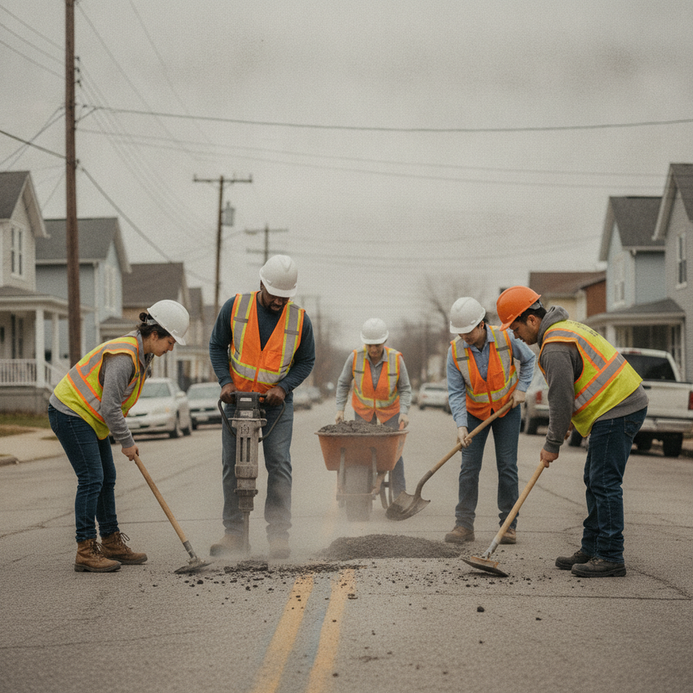
Routine maintenance covers small, regular tasks like cleaning storm drains, patching potholes, or checking pumps. These jobs keep things working as they should and usually don’t cost a lot. For example, changing air filters in a school’s heating system or repainting playground equipment can prevent bigger issues down the line.
Rehabilitation is more involved. It might mean relining a sewer pipe, resurfacing a road, or upgrading electrical systems in a town building. Rehab gives old infrastructure new life, extending its usefulness and delaying the need for full replacement. For instance, resurfacing a road every seven years can double its lifespan before a costly rebuild is needed.
Replacement is the big one, taking out the old and putting in something brand new. This is often the most expensive option, so it’s important to plan for it well in advance. A new bridge, water tower, or school roof can cost hundreds of thousands or even millions of dollars. Because of this, replacements often require long-term planning, grants, or bonds.
Understanding these categories can help towns stretch limited budgets and avoid surprises. The key is knowing when each approach makes sense based on the asset’s age, condition, and role in the community.
The Risks of Delaying Maintenance: What’s at Stake?
Delaying maintenance might seem like a way to save money today, but it often leads to bigger problems down the road. Imagine a town that puts off repairing a small bridge because funds are tight. At first, the bridge still works. But over time, wear and tear add up. Eventually, the bridge has to be closed for safety reasons, cutting off a main route and creating headaches for residents and emergency vehicles.
When maintenance is deferred, costs usually rise. Minor fixes become major repairs. Service disruptions become more common. The reliability of essential services, like clean water or safe streets, can slip. In some cases, towns may face legal or regulatory trouble if infrastructure failures affect public health or safety.
The risks aren’t just financial. Deferred maintenance can erode trust in local government, disrupt daily life, and make it harder to attract new residents or businesses. For example, a town with frequent water outages may see families move away and businesses think twice about investing. That’s why it’s so important to weigh the long-term costs of waiting against the short-term savings.
A real-world example comes from a midwestern town that put off storm sewer repairs for years. When a heavy rain hit, streets flooded and dozens of homes were damaged. The resulting emergency repairs and flood recovery cost far more than the original project would have. These stories aren’t rare, they happen across the country whenever maintenance gets pushed down the list.
Understanding the Lifecycle Costs of Infrastructure
Every piece of infrastructure has a life cycle, the stages it goes through from installation to replacement. Managing these costs means thinking beyond upfront expenses and considering the full journey.
Lifecycle costs include initial construction, routine maintenance, periodic rehab, and eventual replacement. If you keep up with small repairs, assets last longer and cost less over time. If you wait, the price tag for fixing or replacing the asset can skyrocket.
Let’s take the example of a water main installed 40 years ago. If maintenance has been regular, like cleaning and checking for leaks, it might still be reliable for years to come. If not, a sudden break could mean emergency repairs, water service outages, and unexpected costs that strain the budget. The same goes for roads: small cracks filled early can prevent potholes and full resurfacing later.
Thinking in terms of lifecycle costs helps towns prioritize investments. It’s about getting the best value for each dollar spent, rather than just reacting to problems as they pop up. Some towns use simple charts or graphs to show the cost of proactive maintenance versus emergency fixes, making it easier to explain to councils or residents why early action pays off.
Prioritizing Investments: Making the Most of Limited Resources
Most small towns don’t have unlimited budgets, so decision-makers need a way to prioritize where to spend. This starts with a clear picture of asset condition and service importance, but it also means being honest about what’s affordable right now.
Here’s a practical way to approach it:
- Rank assets based on condition and how critical they are to community life.
- Estimate what it would cost to maintain, rehab, or replace each asset.
- Weigh these needs against available funding and staff capacity.
- Create a schedule for tackling the most urgent needs first, while planning for bigger projects in the future.
Regularly revisit these priorities as conditions change or new resources become available. Flexibility is key. What’s urgent today might be less pressing tomorrow, and vice versa. Clear communication with residents helps build support for tough choices and necessary investments.
Some towns form committees of residents, business leaders, and town staff to review priorities together. This builds trust and helps everyone understand why certain projects move forward before others. Sharing a simple chart or list of top priorities at town meetings can also help keep everyone informed and on board.
Building Better Plans: Asset Inventories, Inspections, and Realistic Schedules
A proactive approach starts with good information. Asset inventories and documented inspections are the foundation. These tools help you see what you have, what shape it’s in, and when it will likely need attention.
Set up a realistic maintenance schedule based on manufacturer recommendations, industry standards, and actual use. Don’t just rely on “fix it when it breaks.” Instead, plan for regular checkups and minor repairs. For example, schedule annual inspections for playground equipment, semi-annual cleanings for storm drains, and routine paving for high-traffic roads.
Multi-year budgeting is another helpful tool. Spread out costs over several years, so big projects don’t overwhelm a single year’s budget. Periodically reassess your priorities to make sure your plan fits current needs and available resources. For instance, if a new grant becomes available for water projects, you might move up the timeline for replacing aging pipes.
If you’re not sure where to start, expert advisors can help create inventory templates, recommend inspection routines, and develop maintenance schedules tailored to your community’s assets and risks. Many states and federal agencies also offer free guides or sample plans for towns getting started.
Factors That Influence Infrastructure Risks and Maintenance Schedules
Not every asset ages the same way. Factors like design, usage, environment, and technical standards all play a role.
For example, a road that handles heavy truck traffic will wear out faster than a quiet neighborhood lane. Water pipes in areas with hard water or shifting soils might need more frequent checks. Buildings exposed to harsh winters or flooding may need extra attention to roofs, foundations, or heating systems. Even seemingly small details, like the kind of paint used on a water tower, can change how often maintenance is needed.
Changes in regulations or new safety standards can also change what’s required for certain assets. A town may need to upgrade playgrounds to meet new safety codes, or retrofit streetlights for energy efficiency. It’s important to account for these differences when planning maintenance. One-size-fits-all rarely works. Instead, tailor schedules and budgets to fit the unique needs of each type of infrastructure in your town. This helps you spot risks early and allocate resources where they’re needed most.
A Hypothetical Scenario: Weighing Deferred Maintenance Decisions
Let’s imagine a small town with a 50-year-old water tower. The tower has some rust spots, and the paint is peeling. Annual inspections have flagged the need for a new protective coating and minor repairs. The town council debates whether to spend money now or wait another year or two.
If repairs are delayed, the rust could spread, leading to leaks or structural weakness. Emergency repairs would be more expensive and might require shutting down the water supply temporarily. On the other hand, addressing the issues now means a manageable cost and uninterrupted service.
This scenario highlights how deferred maintenance can lead to higher costs and bigger problems later. It also shows why proactive asset management is so important for small towns working with tight budgets. In another case, think of a small community library with an aging HVAC system. If the system fails during a heatwave, the library might have to close for days, disappointing families and students who rely on it during summer months. A modest investment in yearly tune-ups and filter replacements could prevent such a disruption.
Deferred maintenance can also affect insurance rates or eligibility for grants. Some state and federal programs require proof that towns are actively maintaining their infrastructure. If a town lets things slide too far, it might miss out on funding opportunities to help with repairs or upgrades. So, small steps taken today can have big payoffs down the road, not just in avoided emergencies, but in future funding and community confidence.