Why Green Infrastructure Matters for Small Towns
Green infrastructure uses natural systems or nature-inspired solutions to manage water, improve public spaces, and support your community’s long-term health. In small towns, the challenges are often unique. You might have aging pipes, frequent street flooding, or parks that get soggy after heavy rain. Budgets are usually tight, and big-city solutions can seem out of reach. But there’s good news: green infrastructure can help you tackle these issues in ways that are practical, affordable, and a great fit for smaller communities.
By focusing on the right investments, you make your town more attractive and resilient. You can also boost local pride and even draw new residents or businesses looking for a greener, more welcoming place to call home. This guide will walk you through how to identify your town’s environmental needs, choose the best green infrastructure solutions, and plan for both short-term wins and long-term success. Along the way, you’ll see examples, planning tips, and funding options that really work for small towns.
Understanding Local Environmental Needs
Before you start any project, it’s vital to understand what your town actually needs. Every place is different, soil, climate, land use, and even the history of your neighborhood can shape your biggest challenges.
Stormwater is a common headache for many small towns. Maybe you’ve seen puddles in the same spots after every rain, or maybe your storm drains back up and leave water sitting on roads and in parks. Sometimes, it’s not just water, erosion can eat away at roadsides or playgrounds, and runoff can carry trash or chemicals into nearby streams.
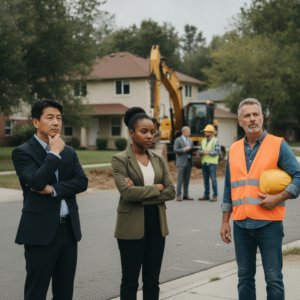
A simple walk around your town after a good rain can reveal a lot. Notice where water pools, where grass is thin or washed away, and where pavement is cracked or crumbling. Talk to public works staff, long-time residents, or maintenance crews, they often know the trouble spots better than anyone. Some towns even hand out maps at community meetings so people can mark exact places where water causes problems.
Document these issues with photos or notes. Even a basic map of these spots will help you target your investments for the biggest impact. Some towns use free mapping apps, but even a hand-drawn sketch can go a long way in the planning process.
Looking Beyond Stormwater
While stormwater is a big concern, it’s not the only problem green infrastructure can address. Maybe your town wants more shade along main street, or you want to make parks more inviting. Green space also helps cool down neighborhoods in summer, supports pollinators like bees and butterflies, and improves air quality. By understanding all your local environmental needs, you can find solutions that solve more than one problem at once.
Evaluating Green Infrastructure Options
With a clear sense of your challenges, you can start exploring which green infrastructure options make the most sense for your town. Here are some solutions that work especially well for small communities:
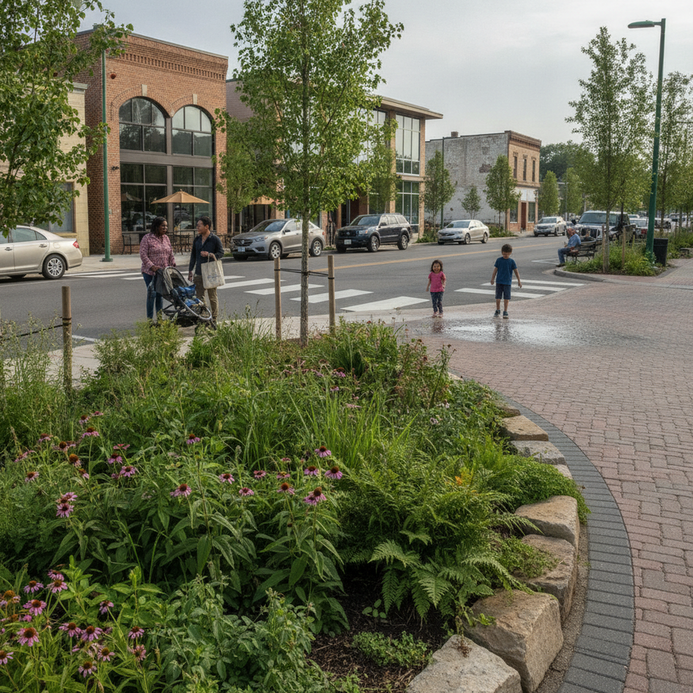
- Rain gardens: These are shallow, planted areas that collect and filter rainwater from roofs, streets, or parking lots. They’re often filled with native flowers and grasses, making them beautiful as well as functional. For example, a small town in Iowa turned an unused corner lot into a rain garden, which now handles runoff and serves as a pocket park.
- Permeable surfaces: Traditional asphalt or concrete sends water rushing away. Permeable pavers or concrete let water soak through, reducing runoff. Small towns often use these for parking spaces, sidewalks, or crosswalks. In Vermont, a village replaced a section of sidewalk with permeable brick, which now handles heavy rains with no puddles.
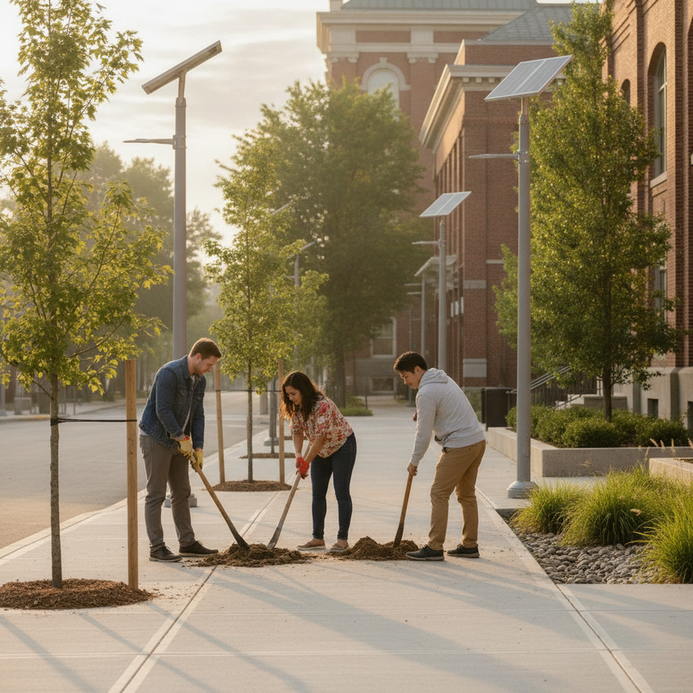
- Urban trees: Planting new street trees or replacing old ones adds shade, cools the area, and soaks up rain. For example, a town in Georgia started a “main street trees” program, planting oaks and maples that now provide comfort on hot days and help control runoff.
- Vegetated swales and buffer strips: These are gently sloped ditches or strips of plants along roads or parking lots. They slow down water, filter out pollutants, and reduce erosion. In Minnesota, a small town added swales next to a school parking lot, cutting down stormwater by more than half.
- Green roofs: While less common in small towns, some municipal buildings or even bus shelters can have planted roofs that absorb rain and insulate the building.
Matching Solutions to Local Conditions
Not every solution fits every town. Before you settle on an option, ask:
- Is there enough space for this idea?
- What’s the local soil like? Sandy soil soaks up water; clay doesn’t.
- Who will take care of the plants, pavers, or trees?
- Does the spot get enough sun or shade for healthy growth?
For example, a rain garden works well in a sunny park but may struggle in deep shade. Permeable pavers need regular cleaning in areas with lots of leaves, or they can clog up. Trees need time and water to get established, especially during summer heat.
Remember, you don’t have to pick just one. Many small towns start with a single demonstration project, like a rain garden at the library or a row of trees along the school sidewalk, and expand as people see the benefits.
Comparing Costs and Maintenance Needs
It’s easy to focus on the price tag when planning a new project. But the real cost of green infrastructure includes not just building it, but keeping it working year after year.
Let’s look at rain gardens. Building one costs money for soil, plants, and maybe some excavation. But you’ll also need to weed, mulch, and check the plants each season. Permeable pavers might cost a bit more upfront than regular pavement, but they last longer and don’t need as much repair, if you keep them clear of debris. Trees are pretty affordable to plant, but they need watering, especially in their first few years, and regular pruning as they grow.
When planning your project, ask:
- What tools or staff time will we need for maintenance?
- Are there seasonal chores, like raking leaves in the fall or clearing snow in winter?
- Can volunteers, a local garden club, or school groups help?
- How often will we need to replace plants or fix hard surfaces?
Some towns create simple maintenance schedules and train local staff or volunteers. Others build partnerships with community groups, who help care for rain gardens or trees. For example, in Ohio, a town’s “Adopt-a-Tree” program lets families care for a street tree, making it more likely those trees thrive.
Don’t forget to compare these ongoing costs with what you spend today on stormwater fixes. A rain garden that costs $5,000 to build might save thousands more over the years by reducing the need for expensive drainage repairs or street resurfacing after floods.
Real-World Budget Examples
A small rain garden might cost around $3,000 to $6,000, depending on size and plant choices. Annual maintenance could be a few hundred dollars for mulching and weeding. Permeable pavers can range from $8 to $15 per square foot installed, but if you only use them for problem spots like crosswalks or parking stalls, costs stay manageable. Urban trees can be $100 to $300 each, plus watering and care for the first three years.
By planning for both initial and long-term costs, you avoid surprises and make sure your green infrastructure isn’t just a one-off project, but a lasting improvement.
Finding Funding Sources
Many small towns worry about how to pay for green infrastructure. The good news is, there are lots of funding sources out there, if you know where to look.
Start with state and federal grants. Programs from the Environmental Protection Agency (EPA), U.S. Department of Agriculture, or state environmental agencies often fund stormwater management, urban forestry, or community improvement projects. For example, the EPA’s Green Infrastructure Grant Program has funded projects in hundreds of small communities across the country.
Water utilities sometimes offer incentives for projects that reduce runoff or improve water quality. Nonprofits, like local conservation districts or national groups such as the National Fish and Wildlife Foundation, also provide grants for small-town projects.
If your town has never written a grant before, don’t worry. Many programs offer sample applications, webinars, or technical assistance. Partnering with a local non-profit, conservation group, or even a neighboring town can make your application stronger and help share the workload.
Tips for Winning Funding
- Match your project to the funder’s goals. If the program is for water quality, highlight how your rain garden cuts pollution.
- Keep thorough records and take clear photos. Funders often want proof of before-and-after results.
- Look for programs that allow in-kind matches, like volunteer hours or donated materials. This can help your town meet match requirements without extra cash.
- Don’t overlook small grants. Sometimes, several smaller awards can add up to a full project budget.
- Ask nearby towns or your regional planning agency about successful applications, they may share helpful tips or even sample language.
By using outside funding, you can stretch your local dollars further and make projects possible that might otherwise be out of reach.
Integrating Green Infrastructure into Local Plans
Green infrastructure works best when it’s woven into your town’s existing plans, not tacked on at the last minute. That means thinking about green solutions anytime you’re fixing streets, upgrading parks, or redoing sidewalks.
For example, if your town is repaving Main Street, ask if you can add a few permeable parking spots or plant new street trees at the same time. If a park needs a new playground, consider building a rain garden nearby to handle runoff from the play area. These kinds of projects are often more affordable when bundled with other upgrades, since the construction crew is already on site.
Updating Your Local Plans
Add green infrastructure to your capital improvement plan, comprehensive plan, or stormwater management plan. Include language that encourages solutions like rain gardens, urban trees, and permeable paving in all new public projects. This helps ensure that every new project considers green options from the start.
Work with town engineers, planners, and public works staff to make sure green infrastructure is part of every conversation about public spaces. Invite community members, too, they often have creative ideas for where green solutions can make a difference. For example, in a small Massachusetts town, residents suggested turning a vacant lot near the library into a rain garden and pollinator habitat, which is now a local attraction.
Prioritizing Investments and Measuring Success
Most small towns can’t do everything at once. Setting priorities helps you get the most value from your investments, build momentum, and show results.
Start with a needs assessment. Weigh the following:
- Where are the biggest stormwater or flooding problems?
- Which locations are easiest to improve right now?
- What fits your current budget and staff capacity?
- Where do you see the most community interest or support?
Bring your residents into the planning process. Host a walk-through of potential project sites, post surveys online, or hold an open house. When people feel included, they’re more likely to support the project and help take care of it.
Tracking Progress
Once your project is in the ground, keep track of how it’s working. Are there fewer complaints about flooding or muddy sidewalks? Do trees and plants look healthy? Make a simple checklist or maintenance log to track regular care. Take photos before, during, and after installation to show progress over time.
Some towns measure success by tracking how many gallons of stormwater are absorbed by new rain gardens, or by counting the number of volunteer hours spent on maintenance. Others look at how the project improves quality of life, such as more kids using a park or fewer potholes after big storms. Share these wins with your community and funding partners, they’ll want to see the impact of their investment.
Key Considerations for Small Towns
Every small town has its own mix of climate, soil, and available land. Before you start, consider these factors:
- Local climate and rainfall: Does your town get lots of quick downpours or steady, soaking rains? Green infrastructure can be sized and designed differently for each situation.
- Soil type: Sandy soils drain well, while clay holds water. Test your soil before deciding on solutions like rain gardens or swales.
- Available space: Look for public rights-of-way, parks, vacant lots, or even wide road shoulders. Even small patches can be valuable.
- Staff and volunteers: Do you have a parks department, or will you rely on local groups? Training and clear responsibilities are key.
- Budget and funding: Plan for both building and maintaining your project. Don’t forget to include grant requirements like reporting or signage.
- Local rules: Check if you need permits or if there are local codes about sidewalks, trees, or landscaping. Some grants have extra requirements, too.