What Is Cultural Sustainability and Why Does It Matter?
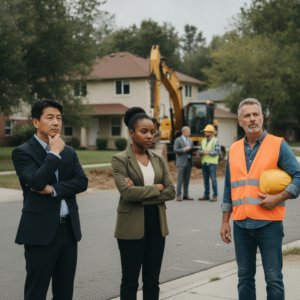
Cultural sustainability means keeping a community’s unique identity alive even as things change and grow. Imagine your town still feeling like home, no matter how many new people move in or businesses open up. That’s the goal. Cultural sustainability is about making sure local traditions, historic places, and the everyday way of life don’t get lost as a town develops.
Why does this matter? For small towns especially, your identity is your strength. It’s what brings people together, makes them proud, and creates a sense of belonging. Without it, growth can feel like losing what made your community special in the first place. Think about the feeling you get when you walk past the bakery that’s been around for generations or the annual parade that everyone looks forward to. Those things can fade if change happens without care.
A strong community identity also helps attract visitors, new residents, and businesses. People are drawn to places with character, stories, and a sense of authenticity. If everything looks and feels the same as everywhere else, what’s the point of stopping by, or staying? That’s why cultural sustainability is so important. It helps ensure that as your town grows, it keeps the qualities that make it one-of-a-kind.
Throughout this blog, you’ll learn practical ways to balance welcoming new opportunities with holding onto what matters most. You’ll see examples from real towns, and you’ll get tips you can use whether you’re a resident, a leader, or just someone who cares about the future of your community.
Protecting Historic Landmarks and Significant Places
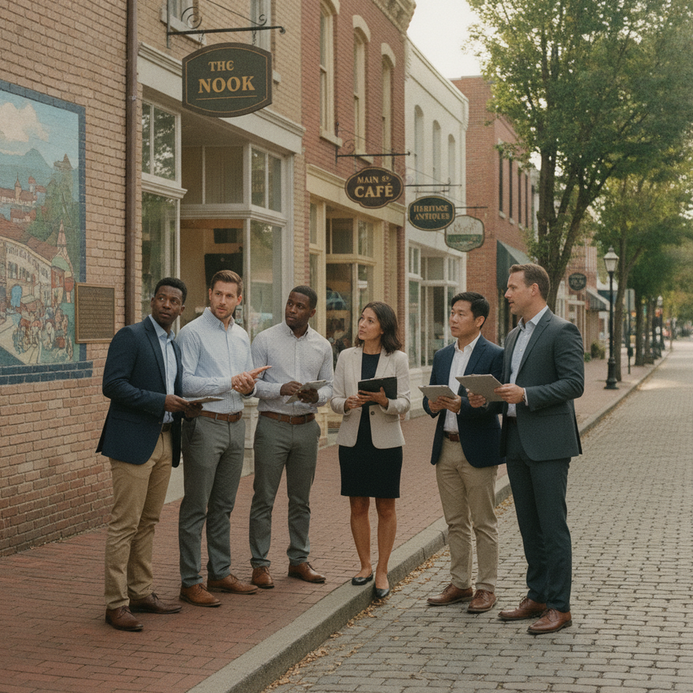
Historic buildings, old schools, and even long-standing parks help tell the story of a community. They’re living reminders of where you’ve come from and what your town values. But when new development comes in, these places can be at risk, sometimes from neglect, sometimes from being torn down to make space for something new, or even just from being overlooked as attention shifts elsewhere.
So how do you protect these important places while still making room for progress? The first step is to figure out what really matters to your community. Many towns start by creating a formal inventory of historic sites, buildings, and natural features. This usually means talking to residents, digging into old records, and sometimes even going door-to-door to make sure nothing is missed.
For example, some communities use “historic walking tours” not just for visitors, but as a way to identify and celebrate places worth protecting. Others hold town meetings where everyone can nominate their favorite landmarks. This process helps build a shared sense of ownership and pride.
Once you know what’s important, there are several tools you can use:
- Setting up local historic districts, where rules protect the look and feel of certain neighborhoods or streets.
- Offering tax credits, low-interest loans, or grants to property owners who keep or restore historic features.
- Partnering with state or national groups, like the National Park Service or state historical societies, to get expert advice and sometimes even funding.
- Adopting local zoning or design guidelines that encourage new development to fit with the town’s character. This might mean limits on building height, materials, or even the color of storefronts.
For example, the town of Franklin, Tennessee, worked with local businesses and preservation groups to save their historic Main Street. They used grants to help owners fix up buildings and set rules about signage and renovations. Now, Main Street is a draw for tourists and a source of pride for residents.
It’s also important to keep these places active and useful. A historic school might become a community center, library, or event space. An old mill could be turned into shops or apartments. The goal is to make sure historic sites aren’t just frozen in time, they’re part of everyday life.
Protecting landmarks is about more than rules. It’s about telling your town’s story and making sure future generations can see it for themselves. If you’re not sure where to start, national resources like the National Park Service’s cultural heritage guidance can help.
Supporting Local Arts and Cultural Activities
Arts and cultural activities aren’t just for big cities, they’re a vital part of small-town life. Think about annual festivals, local theater groups, marching bands, art walks, or even the mural painted on the side of a coffee shop. These activities bring people together, spark creativity, and pass on traditions from one generation to the next.
But it’s not always easy to keep these things going, especially with limited budgets or few volunteers. Here’s how some towns make it work:
- Creating mini-grants for local artists or performers. Even a small amount, enough to buy supplies or rent a stage, can help bring new ideas to life.
- Turning empty storefronts or public spaces into art galleries or pop-up performance venues. This not only supports artists but also brings energy to downtown areas.
- Partnering with schools, colleges, or nonprofit groups. For example, a high school drama club might team up with a community theater, or an arts council might help organize a town-wide art day.
- Encouraging businesses to sponsor events or display local artwork. Some towns host “art walks” where shops stay open late and feature different artists each month.
Consider the example of Paducah, Kentucky, which became a UNESCO Creative City thanks to its focus on supporting local artists. The city invested in affordable studio space and promoted public art projects, which helped attract creative people and new businesses.
Getting young people involved is key, too. Youth art contests, student bands playing at festivals, or kids helping paint a community mural all help keep traditions alive. Plus, these activities give young residents a reason to feel proud of their town and stay connected as they grow up.
Not sure where to start? The American Planning Association’s arts and culture resources offer great ideas for integrating arts into everyday community life.
Preserving Community Traditions and Everyday Culture
Not everything that matters about a town is a building or an event. Everyday traditions, like the way folks greet each other, the food served at local gatherings, or the stories shared at the diner, are just as important for cultural sustainability.
These everyday practices make a place feel like home. They help newcomers feel welcome and give long-time residents a sense of continuity. So how do you keep these traditions going, especially as your community changes?
Start by listening. Ask residents what makes your town feel unique. Are there annual events everyone looks forward to, like a pancake breakfast at the fire hall, a summer fair, or a winter tree-lighting ceremony? What about favorite local foods, special crafts, or time-honored ways of solving problems? Sometimes, the little things make the biggest difference.
Municipal leaders and community groups can help by:
- Providing safe, accessible spaces for gatherings, like parks, community halls, or even temporarily closed streets.
- Helping with permits, insurance, or logistics for events, so organizers can focus on what matters.
- Publicly recognizing important traditions, maybe with a proclamation, a story in the town newsletter, or a special mention at a council meeting.
It’s also important to let traditions evolve. Sometimes, what worked decades ago needs to be updated. Maybe a parade route changes because of traffic, or a holiday celebration moves online during bad weather. What matters is keeping the spirit alive, even if the details shift.
Oral history projects can help capture everyday culture, too. Recording stories from elders, collecting old recipes, or photographing daily life all help document what makes your town unique. These projects can be led by schools, libraries, or volunteer groups.
Involving Residents in Development Decisions
Growth is easier to manage when everyone has a seat at the table. Involving residents in decisions about development and change builds trust and helps protect community identity.
It starts with good communication. Don’t just announce plans, invite input early and often. Public meetings are helpful, but they’re only one tool. Surveys, online feedback forms, workshops, and small group discussions can reach people who might not attend a meeting.
For example, some towns set up advisory committees with a mix of ages, backgrounds, and interests. These groups review development proposals and help decide what fits the community’s character. Others use “visioning sessions,” where residents imagine what they want the town to look like in five, ten, or twenty years.
In South Royalton, Vermont, leaders held a series of “community walks” where residents strolled through town together, pointing out what they loved and what worried them. This hands-on approach helped everyone see things from each other’s perspective and built consensus.
Even informal conversations can make a difference. Hosting a coffee hour at the library or a Q&A booth at the farmers’ market can bring in ideas you might otherwise miss.
When people see their input reflected in decisions, like a new playground that keeps the old oak tree, or a business district that still looks like Main Street, they feel respected. That builds support for change and helps everyone work together on cultural sustainability.
If you’re a municipal leader looking for more ideas, our community engagement strategies offer practical ways to get residents involved.
Balancing Development With Community Needs and Character
Growth is a reality for many small towns, whether from new residents, new businesses, or infrastructure upgrades. The challenge is making sure this growth fits with community character and meets real needs, not just the interests of developers or outside investors.
Sustainable community planning means looking at the big picture. It’s not just about where to put new buildings. It’s about how new homes, shops, or roads will affect traffic, green spaces, local businesses, and the feel of your town.
A good starting point is to update your comprehensive plan. This document sets long-term goals for growth, zoning, housing, transportation, and more. Including clear language about preserving community identity ensures cultural sustainability is considered in every decision.
When a new project comes up, ask some simple questions:
- Does it fit the look and feel of our town?
- Will it support local businesses or threaten them?
- How will it affect traffic, green space, or gathering places?
- Does it create new opportunities for community events or traditions?
Some towns require developers to use certain building styles or materials, set aside land for parks or public art, or hold community meetings before starting work. For example, in Petoskey, Michigan, new downtown construction must complement the historic architecture. This keeps the area visually cohesive and supports tourism.
Balancing growth and identity isn’t about stopping change. It’s about making sure change respects your town’s past and sets up a bright future. Sometimes, a compromise, like allowing taller buildings in one area but not near the town square, can help everyone win.
Tailoring Preservation Approaches to Your Community
Every small town is different. What works in one place may not work in another. Your town’s history, resources, and priorities will shape how you approach cultural sustainability.
Start with a community inventory. Gather stories, photos, and memories from residents. What industries, traditions, or groups shaped your town? Are there local foods, dialects, or crafts you want to keep alive? In some places, this might mean preserving a mining heritage. In others, it could be a unique festival or favorite recipe.
Next, look at your resources. Do you have active historical societies, arts councils, or cultural organizations? Are there local businesses interested in sponsoring events or restoration projects? Check if your state offers grants for preservation or cultural programming. Sometimes, nearby towns or regional nonprofits are willing to partner on bigger projects.
If money is tight, creativity matters. Volunteer clean-up days at historic sites, oral history projects led by students, or crowd-sourced funding for a community mural can all make a big impact. The point is to make preservation and cultural celebration part of daily life, not just something you do in a crisis.
Be willing to adapt. Maybe your town can’t save every old building, but you can preserve its story with a plaque or a spot in a walking tour. If a traditional event has faded, try a modern version that appeals to new residents. The best strategies come from listening to your community and building on what’s already there.
Building Partnerships for Cultural Sustainability
No town has to do this alone. Building strong partnerships with local, regional, and even national organizations can help preserve your community’s identity and support growth that fits your values.
Start with what’s close to home. Local historical societies, arts councils, schools, and businesses often share the goal of keeping traditions alive. Working together can mean more volunteers for events, more funding for restoration, and more energy for new ideas.
Regional and state organizations are valuable, too. Groups like the Advisory Council on Historic Preservation or state arts agencies offer grants, technical assistance, and advice. For example, a small town might partner with a nearby college to research its history, or join a regional tourism alliance to promote local events.
Consider forming a network or task force with representatives from different groups. This makes it easier to coordinate events, apply for funding, and respond to new opportunities or challenges. For example, the Western Massachusetts Food Processing Center is a partnership between towns, nonprofits, and local farmers to support traditional food businesses and preserve regional food culture.
Partnerships work best when everyone’s on the same page about goals and responsibilities. Regular meetings, clear communication, and shared decision-making help keep efforts moving forward. If you’re not sure where to begin, reach out to other towns for advice, many communities are happy to share lessons learned.
Real-World Examples: Lessons From Small Towns
Looking at what other communities have done can spark new ideas and show what’s possible, even with a small budget.
For instance, in Lanesboro, Minnesota, an old theater was revived as a community arts center. Now, it hosts concerts, plays, and art shows, and it’s a hub for both residents and visitors. The restoration brought new life to a historic building and helped local businesses by attracting tourists year-round.
In Astoria, Oregon, the city created a self-guided walking tour that highlights its historic waterfront, old cannery buildings, and public art installations. This not only preserves the town’s story, but also encourages people to explore on foot and support local shops and cafes.
Farmers’ markets are another success story. In places like Madison, Indiana, weekly markets support local growers and crafters, keep traditional foods in the spotlight, and create a regular gathering spot for the whole town.
Many towns use annual festivals to celebrate unique aspects of their culture. In Gilroy, California, the Garlic Festival started as a small local event and grew into a signature celebration that draws visitors from across the country. It supports local farmers, brings people together, and puts the town on the map.
Not every project needs to be big. In some towns, simply painting old benches with community designs or installing story plaques at historic spots has helped residents reconnect with their roots.
The best ideas come from local conversations and are built to last. If you’re looking for inspiration, check out the Preserve America communities list for more examples of towns putting cultural sustainability into practice.
The Role of Heritage Conservation Planning
Heritage conservation planning is a structured way to protect what’s unique about your community as it grows. This involves identifying important sites, traditions, or customs, then creating a clear plan to care for them, celebrate them, and use them to guide development.
The process often starts with a community-wide inventory or survey. This can include historic buildings, natural features, public art, traditional events, and even stories or songs. Involving residents in this process ensures nothing important gets overlooked.
Once you know what you want to protect, set priorities. Not every site or tradition can be saved in the same way. Some may need physical restoration, while others just need regular recognition or a place in local events.
Then, outline steps for protection and celebration. This might include applying for historic status, setting up an annual festival, creating interpretive signs, or including culture in zoning decisions.
Some towns work with professional planners or consultants to draft these plans. Others rely on local volunteers, schools, or regional partners. What matters is that the plan gets used, not just filed away. Good heritage plans guide decisions about new development, public spending, and community events. They can also help you qualify for grants or technical support.
For example, Port Townsend, Washington, created a heritage conservation plan that guides everything from building renovations to public art installations. As a result, visitors and locals alike see the town’s history in action every day.
Putting Cultural Sustainability Into Everyday Practice
Cultural sustainability isn’t just something you write into a policy, it’s something communities live every day. That could mean supporting a local artist by buying their work, attending a town meeting to share your thoughts on new projects, volunteering at a festival, or simply telling your kids stories about what makes your town unique.
Municipal leaders play a big role by including cultural sustainability in official plans and budgets. But everyone can help, from business owners to teachers to longtime residents. Small actions add up. For example, a café displaying local photos, a teacher organizing a class visit to a historic site, or a scout troop helping clean up a park all contribute to a culture that values its identity.
Some towns create “culture committees” to keep these efforts going year-round. Others make sure every event, big or small, includes a moment to honor local history or welcome newcomers. Even everyday choices, like supporting a family-run store or choosing local produce at the market, help keep traditions alive.
If you’re not sure where to start, look around. What makes your town feel like home? What do you want future generations to remember? Start there, and invite others to join you. Over time, these efforts create a community where growth and identity go hand in hand.
Conclusion
Thoughtful planning makes it possible to keep your community’s identity strong, even as your town grows and changes. Cultural sustainability means honoring the past while welcoming the future. If you’re ready to explore tailored strategies for your community, talk to our team today.