Building a sustainable future isn’t just for big cities or faraway places, it’s essential for every community, no matter the size. Municipal sustainability means making choices today that keep towns and cities thriving tomorrow. In this guide, you’ll learn the core principles that help local leaders boost long-term success, balance priorities, and create a better quality of life for everyone.
What Is Municipal Sustainability?
Municipal sustainability is about making decisions that support a community’s well-being for the long haul. It’s not just about going green or saving money. It’s a balance of financial health, infrastructure, environmental responsibility, community priorities, and future growth. For towns and cities, especially those with fewer than 6,000 residents, sustainability means managing scarce resources while protecting what makes their community special.
No two towns are alike. Geography, population, economy, and local rules all shape what’s possible. That’s why there’s no one-size-fits-all solution. The key is to understand which sustainability principles matter most for your community and then turn them into practical strategies. Sustainable towns don’t simply react to problems, they plan ahead, set clear goals, and work together to solve issues before they become crises.
The Core Dimensions of Sustainable Communities
Sustainability isn’t just a buzzword, and it’s not a vague feel-good goal. It’s a practical, proven framework that helps communities thrive over time. Towns and cities can start by focusing on several core dimensions:
- Fiscal stability: Making sure the budget supports both current needs and future priorities.
- Infrastructure: Keeping roads, water, and other basics reliable and safe.
- Environmental stewardship: Protecting air, water, and land for generations to come.
- Community well-being: Supporting health, safety, and quality of life.
- Economic resilience: Encouraging local jobs and businesses that can weather challenges.
- Future-readiness: Planning for population changes, new needs, and technology shifts.
When these areas work together, the community is set up for long-term success. Let’s look at each principle in more detail, and see how you can put them to work in your town.
Ensuring Long-Term Fiscal Stability
Every town needs a strong financial foundation. Long-term fiscal stability means more than just balancing the books, it’s about planning for tomorrow while meeting today’s needs. Without solid finances, even the best ideas can’t get off the ground.
Realistic Budgeting and Strategic Planning
It starts with honest budgeting. Leaders should regularly review spending, look for savings, and plan for both emergencies and big future projects. Setting aside funds for infrastructure repairs or economic changes helps avoid surprises. A multi-year financial plan can show how decisions today affect services and taxes down the road. For example, if your town knows a water tower will need replacing in five years, you can spread the cost over several budgets instead of scrambling at the last minute.
Many successful towns use “capital improvement plans” that lay out upcoming projects and expected costs. These plans help leaders see the bigger picture and keep promises to residents. They also make it easier to apply for grants or loans, since funding agencies like to see clear, long-term planning.
Coordinated Decision-Making
Departments should work together when making big spending choices. For example, if the town is planning to repave roads, it makes sense to coordinate with water or sewer upgrades. This prevents waste and stretches every dollar further. Imagine digging up a street to fix pipes, only to pave it and then tear it up again a year later for electrical work. Coordinated planning avoids this kind of double-spending.
Community Engagement in Budgeting
Getting residents involved in the budget process builds trust and helps identify what matters most. When people understand where tax dollars go, they’re more likely to support key investments. Some towns hold “participatory budgeting” sessions, where community members help choose projects or offer feedback on spending priorities. Others use surveys or open houses to gather ideas and explain the trade-offs. This open approach builds support, reduces misunderstandings, and helps leaders make better choices.
Planning and Maintaining Essential Infrastructure
Reliable infrastructure is the backbone of any community. Roads, bridges, water pipes, and public buildings keep everything running smoothly. But aging infrastructure is a major challenge for many small towns. Without regular maintenance and investment, problems can sneak up and turn into expensive emergencies.
Assessing Infrastructure Needs
Start by taking stock of what you have. Create a simple inventory of public assets, how old they are, what shape they’re in, and when they’ll need repairs or replacement. This helps leaders prioritize projects and avoid costly emergencies.
For example, if your town’s water main is 50 years old and showing signs of leaks, it’s better to plan a replacement now than wait for a major break. Some towns use basic spreadsheets or even color-coded maps to keep track of their assets. The important thing is to know where you stand and what’s coming next.
Long-Term Investment Strategies
Instead of patching problems year after year, long-term planning saves money. For example, a small town might schedule regular road repairs every few years instead of waiting until a street is crumbling. Grants and state programs can help fund big projects, but having a plan makes it easier to secure those funds.
Some towns use “asset management plans” to map out when each piece of infrastructure will need attention. This helps spread out costs and avoids surprises. Planning also makes it easier to combine projects, like fixing sidewalks while replacing water lines, so the work is less disruptive and more efficient.
Example: Practical Small Town Infrastructure Planning
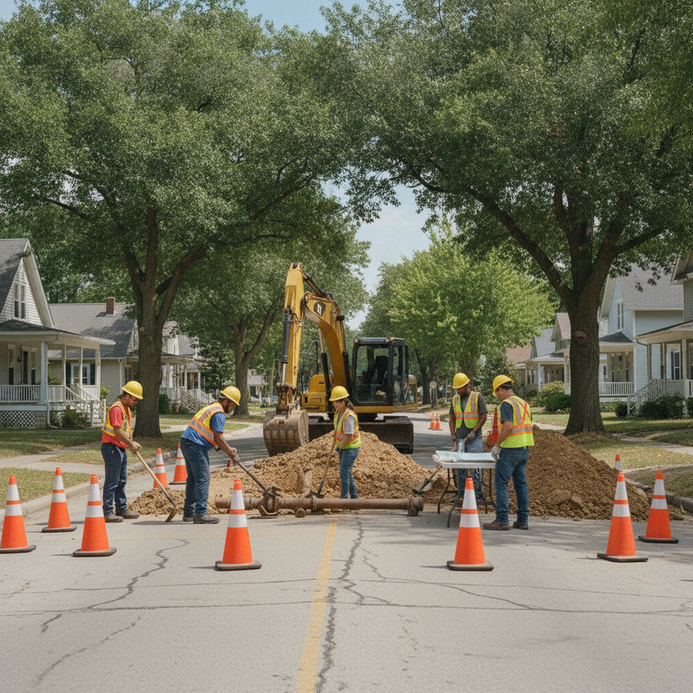
In many regions, small towns have used phased improvement plans to replace water lines a few blocks at a time. This approach spreads out the cost and keeps disruptions manageable, while ensuring the system keeps up with community needs. In one Midwest village, replacing old pipes over five years meant fewer service outages and lower repair bills. Residents were notified in advance, so they could plan for water shut-offs, and local contractors had steady work.
[inline_image] {“alt”: “Town workers repairing a water main as part of a phased infrastructure plan”, “prompt”: “Municipal workers in reflective vests repairing a water main on a quiet small town street, with safety cones and construction equipment, under clear blue skies”}
The Role of Technology in Infrastructure
Modern tools can help even small towns keep infrastructure in top shape. For example, some use simple phone apps to log potholes or track maintenance requests. Others invest in sensors that monitor water flow or alert staff to leaks. These technologies don’t have to be expensive, they just need to fit your town’s needs and budget. Over time, even small improvements add up to big savings and safer streets.
Supporting Environmental Responsibility
Environmental stewardship is a key part of municipal sustainability. Even simple steps can have a big impact in small towns. Protecting natural resources isn’t just about looking green, it’s about ensuring clean water, healthy air, and safe spaces for everyone.
Everyday Environmental Actions
From upgrading to LED streetlights to encouraging recycling, there are plenty of ways to save energy and reduce waste. Planting trees, protecting local waterways, and supporting community gardens are all proven strategies. For example, a town might swap out old light bulbs in public buildings and save thousands on electric bills each year. Or, hosting an annual community cleanup can reduce litter, build pride, and get neighbors talking.
Balancing Growth with Nature
It’s important to balance new development with environmental protection. If a town is expanding, leaders can guide growth so that it doesn’t harm natural areas or increase flooding. Zoning rules, green infrastructure (like rain gardens), and careful planning all help.
One practical approach is “low-impact development.” This means encouraging building methods that let rain soak into the ground instead of running off into storm drains. It can be as simple as using permeable pavement or designing parking lots with grassy edges. These choices reduce flooding and keep streams cleaner.
Example: River-Friendly Development
Some towns have adopted simple policies that require new buildings near rivers to include buffer zones with native plants. This helps prevent erosion and keeps water cleaner for everyone. In a small New England community, this approach not only protected the river but also created a popular walking trail along the buffer, boosting both health and tourism.
Educating and Involving Residents
Environmental responsibility works best when everyone gets involved. Many towns offer composting workshops, tree-planting days, or school programs on recycling. The more people understand why these actions matter, the more likely they are to support big-picture goals. Simple signs reminding people not to dump waste in storm drains or to pick up after pets also make a difference.
Fostering Economic Resilience and Local Opportunity
A sustainable community is one where local businesses and workers can thrive. Economic resilience means your town can adapt to changes, whether that’s a big employer leaving or new families moving in. The goal is a local economy that’s flexible, diverse, and strong enough to handle surprises.
Supporting Local Businesses
Encouraging residents to shop local keeps dollars in the community. Simple initiatives like “buy local” campaigns or small business fairs can make a real difference. Offering workshops or connecting businesses with regional resources can help keep main street vibrant.
One small town in the South revived its downtown by creating a “first Friday” event each month, where shops stayed open late and offered special deals. Local musicians played on the sidewalks, drawing more visitors and giving new businesses a chance to shine.
Diversifying the Local Economy
Relying on just one industry can be risky. Towns can work to attract a mix of businesses, support remote work, or promote tourism (if it fits the local character). This broadens the economic base and reduces the impact of downturns.
For example, a farming town might encourage small manufacturers or craft breweries to set up shop, creating new jobs that aren’t tied to just one crop. Another town might invest in broadband internet so residents can work from home, bringing in new income without changing the town’s character.
Preparing for Change
Population shifts, new technology, and changing industries are facts of life. Towns that plan ahead, invest in skills training, and stay open to new ideas are better prepared for the future. Partnerships with local colleges, workforce boards, or regional business groups can bring new opportunities for training or apprenticeships.
If a major employer is closing, it’s important to respond quickly, offering resume workshops, connecting workers with new industries, and reaching out to potential investors. Building a “rainy day fund” for economic emergencies can keep the town running smoothly while new businesses get started.
Preserving Community Identity and Quality of Life
Municipal sustainability isn’t just about numbers or policies, it’s also about people. Preserving what makes your community unique builds pride and keeps folks invested in the future. Quality of life is what draws people to town and encourages them to stay.
Honoring Heritage and Traditions
Keeping historic buildings in good shape, celebrating local festivals, and protecting cultural landmarks strengthens community identity. These traditions attract visitors and encourage younger residents to stay or return. For example, a Midwest town restored its 1920s movie theater as a community arts center, drawing crowds and sparking new businesses nearby.
Promoting Health and Safety
Investing in safe parks, walkable streets, and public spaces supports both physical and mental health. Programs that connect neighbors, like volunteer days or farmers’ markets, make towns friendlier and more resilient. Safe sidewalks mean kids can walk to school, and parents feel comfortable letting them play outside.
Some towns add simple features like benches, water fountains, or shade trees to parks, making them more welcoming for all ages. Others focus on street lighting or traffic calming to reduce accidents and encourage walking or biking.
Inclusive Community Engagement
Regular town hall meetings, surveys, or online forums give everyone a voice. When people feel heard, they’re more likely to support local initiatives and work together. For example, one town used an online “idea wall” where residents could post suggestions for future projects. The most popular ideas moved forward, and people felt like their voices mattered.
[inline_image] {“alt”: “Community members attending a town hall meeting on sustainability priorities”, “prompt”: “A diverse group of small town residents seated in a bright community center, listening to a town official discuss sustainability priorities, with charts and maps visible”}
Welcoming Diversity and Newcomers
Sustainable communities welcome newcomers and celebrate diversity. Small towns that create space for new residents, businesses, and ideas see more long-term success. Simple actions, like offering language support at town meetings, celebrating different cultural holidays, or forming a welcome committee, help new residents feel at home and engaged in community life.

Preparing for the Future: Adapting to Change
No town stands still. Municipal sustainability means being ready for whatever comes next, whether it’s shifting populations, new regulations, or unexpected events. The communities that thrive are those that can bend without breaking.
Planning for Population Changes
Some towns are growing, while others worry about losing residents. Each situation needs a different approach. Growing towns may need to expand services or schools. Shrinking communities might focus on right-sizing infrastructure and attracting new families or businesses.
For example, a town facing population loss might offer incentives for remote workers to move in, such as discounted housing or grants to start a business. Towns that are growing quickly need to plan new housing, schools, and roads so they don’t get overwhelmed.
Embracing Technology and Innovation
Technology isn’t just for big cities. Small towns can use online tools for community engagement, digital permitting, or even remote council meetings. These changes can make local government more efficient and accessible.
For instance, a rural community might launch a town app for reporting potholes or paying water bills. Others stream council meetings online, so more residents can participate without leaving home.
Building Partnerships and Learning from Others
Working with neighboring towns, regional agencies, or state organizations can unlock new resources and ideas. Learning from other communities’ successes (and mistakes) helps avoid pitfalls and speeds up progress.
If your town is struggling to find grant funding, partnering with a nearby city or joining a regional economic group can open doors. Sharing equipment, staff, or training opportunities with neighbors can lower costs and improve services. Looking beyond your borders is often the key to moving forward.
Preparing for Emergencies and Climate Change
Sustainable communities don’t just plan for good times, they prepare for storms, floods, wildfires, and other emergencies. This means having clear emergency plans, practicing drills, and communicating early and often. Many towns create “resilience plans” that cover everything from backup water sources to evacuation routes.
Climate change brings new risks, from heavier downpours to hotter summers. Towns can adapt by updating building codes, planting shade trees, or improving drainage systems. Simple steps, like keeping storm drains clear or installing backup generators at community centers, can make a big difference when disaster strikes.
Turning Principles into Action: Practical Steps
Understanding sustainability principles is just the first step. The real challenge is turning them into daily decisions and long-term plans. Here’s how towns can move from ideas to real progress.
Set Measurable Goals
Clear, realistic goals help everyone stay on track. For example, setting a target to reduce energy use in public buildings by 10 percent over three years gives leaders something to aim for and track. Goals should be specific, measurable, and shared with the community. Posting progress on the town website or at council meetings keeps everyone informed and motivated.
Allocate Resources Responsibly
Not every good idea can happen at once. Prioritize projects based on community input, available funding, and long-term impact. Regularly revisit these priorities as needs change. A simple ranking system, such as rating projects by urgency, cost, and community benefit, can help leaders make tough choices.
Evaluate and Adjust
Check progress regularly. Use simple scorecards, community surveys, or annual reports to see what’s working and what needs to change. Don’t be afraid to adjust plans when new information comes in. For example, if a new technology makes energy savings easier, update your goals and invest accordingly.