Ever wondered who keeps your small town running smoothly or why some communities seem to thrive while others struggle? The answer often lies in strong municipal leadership. In this article, you’ll discover what municipal leadership means, why it’s especially important for small towns, and how the right strategies can help local leaders overcome tough challenges and build vibrant communities.
What Is Municipal Leadership?

Municipal leadership is the work done by local government officials like mayors, council members, and town managers to guide and serve their communities. In small towns, these leaders often wear many hats. They help make important decisions, listen to residents, and keep things moving forward, even when resources are tight.
Municipal government is the system that runs your town or city. In small-town governance, this group is usually made up of a mayor, a town or city council, and sometimes a town manager. Each person plays a different role, but they all work together to create policies, manage budgets, and deliver services that affect people’s everyday lives.
For example, a mayor might focus on setting the town’s goals and representing the community at public events, while council members vote on local laws and help decide how money gets spent. The town manager, if there is one, handles day-to-day operations and makes sure town services run smoothly. In many small towns, these leaders know most residents by name, which means they get direct feedback, sometimes at the grocery store or a Friday night football game.
The Key Responsibilities of Small Town Leaders
What do municipal leaders actually do? Their responsibilities go far beyond running meetings or approving budgets. Here are some of the main things they handle:
- Budgeting: Leaders must balance limited funds while making sure basic services are covered. This can include everything from paying town employees to fixing potholes. For example, a small town might have to choose between repairing a playground or replacing an old fire truck, both important, but the budget only stretches so far.
- Infrastructure Maintenance: Roads, water systems, and public buildings need regular care. Municipal leadership is responsible for planning repairs and upgrades, even when the budget is stretched thin. For example, after a heavy storm, leaders may need to organize emergency road repairs or ensure the water supply stays safe.
- Public Safety: Making sure residents feel safe is a top priority. This can mean supporting local police, fire departments, or emergency response teams. In a small town, leaders might coordinate volunteers for a local fire department or work with neighboring towns for faster emergency response.
- Zoning and Land Use: Deciding how land in the town can be used is a big part of municipal government. Leaders approve new homes, businesses, parks, and more. If someone wants to open a new café or build a housing development, the town council will review and approve those plans.
- Public Services: Services like trash collection, libraries, and parks are key to quality of life. Leaders work to keep these running smoothly. In many small towns, even the smallest service interruption, like a missed trash pickup, can quickly become the talk of the town.
- Economic Development: Attracting new businesses and keeping jobs in town is critical. Municipal leaders look for ways to support local shops and encourage new ones to open. For example, offering tax incentives to a small grocery store or supporting local farmers’ markets can help keep dollars in the community.
All these responsibilities require careful planning and a strong understanding of what the community needs most. Leaders have to prioritize, communicate tough decisions, and still keep the trust of their neighbors.
Unique Challenges for Small Towns
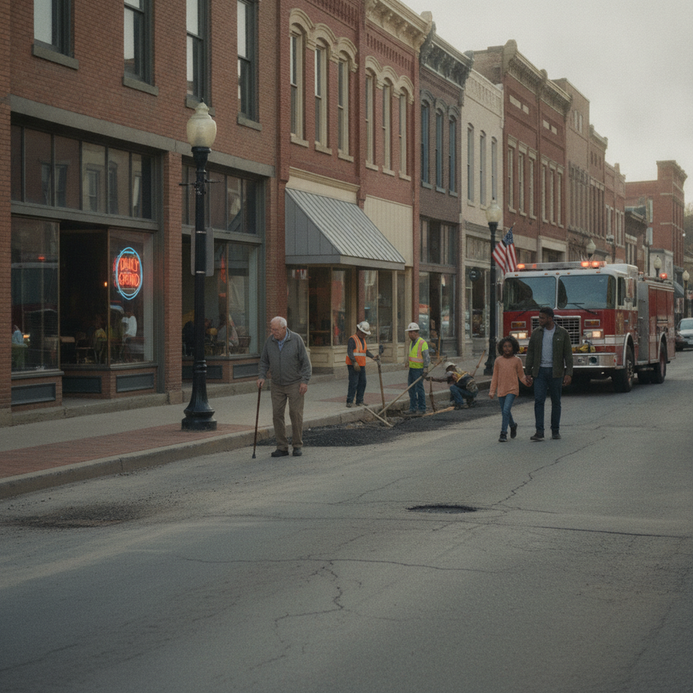
Leading a small town is different from running a big city. Here are some common challenges for small towns:
- Limited Budgets: Small populations mean less money from taxes. Leaders must make tough choices about what gets funded. For instance, a drop in sales tax revenue can force the town to cut back on library hours or delay fixing a leaky roof at the community center.
- Aging Infrastructure: Many small towns have roads, water pipes, and public buildings that are decades old. Repairs can be expensive, and putting them off can cause bigger problems later. For example, an old bridge might need emergency repairs after years of wear, and finding the money can be a scramble.
- Population Changes: Some towns are losing residents, especially younger people who move away for jobs. Others may see sudden growth, perhaps a new factory opens nearby, bringing in new families. Both shrinking and growing populations bring challenges, from empty schools to the need for more housing and services.
- Limited Resources: Small towns often have fewer staff and less access to outside experts. Leaders might have to juggle several roles or learn new skills quickly. One council member might oversee parks, budgets, and community events all at once.
- Economic Pressures: When a major employer leaves town or a local business closes, the impact is felt across the whole community. Leaders must respond quickly to support affected families and attract new opportunities.
These challenges make municipal leadership especially important in small-town government. The right approach can help towns not just survive, but thrive, even when facing tough odds.
Community Leadership Strategies That Work
So, what does effective small-town governance look like in action? Here are a few proven strategies used by successful municipal leaders:
- Listening to Residents: Good leaders make time to hear what people care about. Town hall meetings, surveys, and informal chats all help leaders stay connected to community needs. For example, a mayor might set up regular “coffee with the mayor” events, where anyone can stop by and share concerns or ideas.
- Collaborating with Neighbors: Sometimes, towns team up to share services like trash collection or emergency response. Working together can stretch budgets and improve services for everyone. A group of small towns might pool resources to buy snow removal equipment or offer joint summer recreation programs for kids.
- Pursuing Grants and Partnerships: Many small towns seek state or federal grants to fund big projects. Partnering with nonprofits or local businesses can also bring in resources and new ideas. For example, a town might team up with a nearby college to offer youth programs, or apply for a grant to build a new walking trail.
- Planning for the Future: Leaders who think ahead can spot problems before they get bigger. Strategic plans, even simple ones, help towns set priorities and track progress. A town might create a five-year plan to upgrade its water system, laying out steps and funding sources year by year.
- Investing in People: Training for staff and volunteers builds skills and keeps good people involved in local government leadership. Some towns offer workshops on budgeting or emergency management, making sure everyone is prepared when challenges arise.
- Communicating Clearly: Leaders who keep residents informed about decisions and challenges build trust, even when the news isn’t what people want to hear. Posting updates on the town website or social media, or sending out regular newsletters, helps everyone stay in the loop.
These strategies create a sense of teamwork across the town, making it easier to solve problems together.
Sustainable Municipal Practices for Small Towns
Keeping a small town healthy and thriving for the long run requires sustainable municipal practices. This means making decisions that work not only today but for years to come. Here’s how municipal leaders can focus on sustainability:
- Smart Infrastructure Investments: Instead of patching the same problem every year, leaders can look for more lasting solutions, like energy-efficient upgrades or modern water systems. For example, replacing old streetlights with LED bulbs saves money and reduces maintenance in the long run.